When planning travel in the United States, understanding the difference between a hostel and hotel is essential for making the right accommodation choice. Hostels typically offer shared dormitory-style rooms with communal facilities at budget prices, while hotels provide private rooms with en-suite bathrooms and more personalized service. Both accommodation types serve different traveler needs, budgets, and travel styles. This comprehensive guide explores every aspect of hostels versus hotels to help you determine which option suits your travel plans in 2026.
Understanding Basic Accommodation Definitions
A hostel is a budget-friendly accommodation that emphasizes shared spaces and social interaction among guests. Most hostels in the United States feature dormitory rooms with bunk beds where travelers share sleeping quarters with others, though many now offer private room options. Common areas include shared kitchens, lounges, and bathrooms that encourage guest interaction and cultural exchange.
A hotel represents traditional accommodation focused on privacy and individual service. Hotels provide private rooms with dedicated bathrooms, daily housekeeping, and amenities like room service, concierge assistance, and on-site dining. The hotel experience prioritizes comfort, convenience, and personal space, catering to business travelers, families, and those seeking more luxurious stays. In 2026, American hotels range from budget chains to luxury five-star properties.
Cost Comparison: Hostel vs Hotel Pricing
The most significant difference between hostels and hotels lies in pricing structure. In major United States cities during 2026, hostel dormitory beds average between $35 and $65 per night, while private hostel rooms range from $80 to $120 nightly. These rates make hostels attractive for budget-conscious travelers, backpackers, and extended trips where cost matters most.
Hotel rates in the same cities typically start at $120 for budget properties and easily exceed $250 for mid-range hotels in 2026. Luxury hotels command $400 to $800 per night or more in destinations like New York, San Francisco, and Miami. The cost difference reflects additional amenities, privacy, and services included in hotel stays. However, hostels may charge extra for towels, lockers, or breakfast, while hotels bundle these into room rates.
Room Types and Privacy Levels
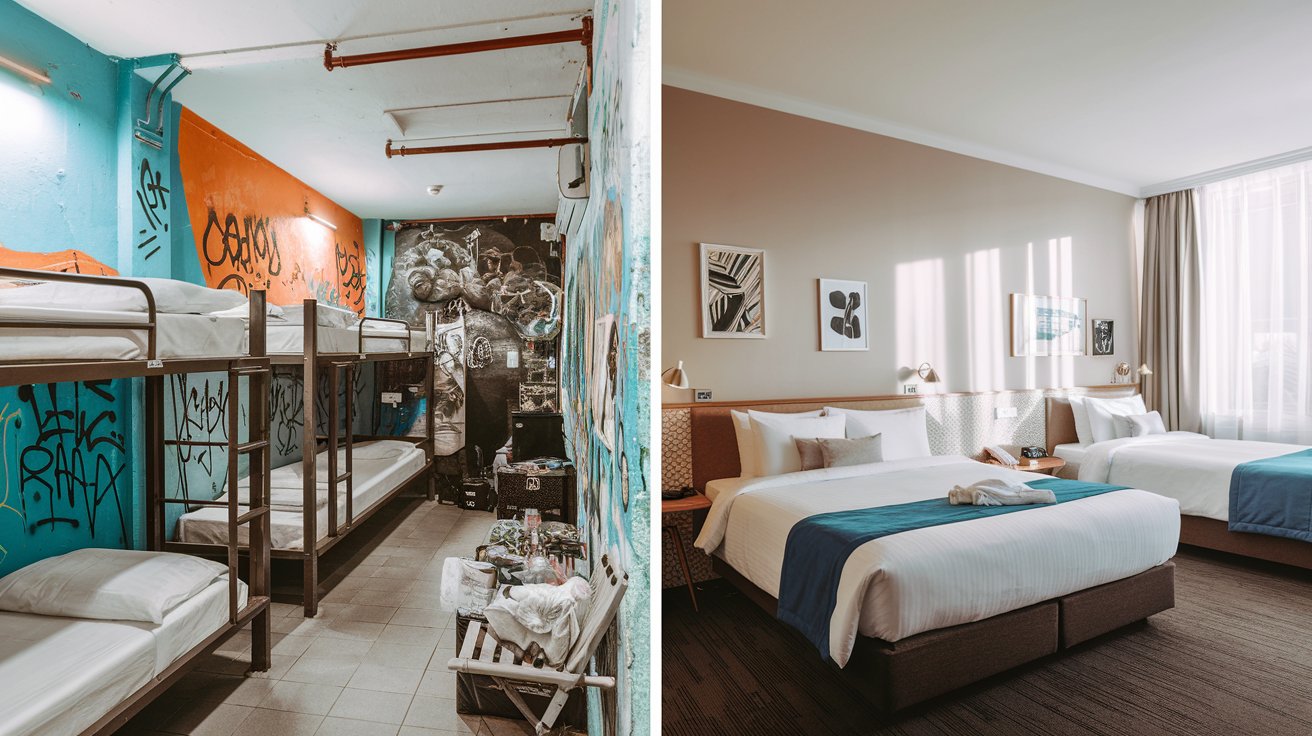
Room configuration represents a fundamental distinction when comparing hostel versus hotel accommodations. Hostels predominantly offer shared dormitories with 4 to 12 beds per room, though female-only dorms and mixed-gender options exist. Guests sleep in bunk beds with personal lockers for valuables, sharing the space with strangers. This arrangement minimizes privacy but maximizes social opportunities and keeps prices low across United States hostels in 2026.
Hotels provide exclusively private rooms ranging from compact single rooms to expansive suites. Each hotel room includes dedicated sleeping space, private bathroom, climate control, and typically a television and work desk. Couples and families prefer hotels for the guaranteed privacy and ability to stay together without sharing space with other travelers. Modern hostels now offer private rooms to compete, but these cost more than dormitory beds while still lacking full hotel amenities.
Amenities and Services Offered
Hostel amenities focus on communal facilities that encourage guest interaction. Standard offerings include shared kitchens where travelers prepare meals, saving money on dining out. Common lounges provide spaces for socializing, working, or relaxing. Many American hostels in 2026 feature organized activities like walking tours, pub crawls, movie nights, and group dinners. Laundry facilities, luggage storage, and travel information desks serve practical needs.
Hotel services emphasize convenience and comfort through professional staff and comprehensive facilities. Guests enjoy daily housekeeping, 24-hour front desk service, room service, concierge assistance, and often on-site restaurants and bars. Business travelers appreciate meeting rooms, fitness centers, and complimentary Wi-Fi. Many hotels provide parking, shuttle services, and loyalty programs with rewards. The full-service hotel experience removes daily chores from your vacation, unlike the self-service hostel approach common throughout the United States.
Social Atmosphere and Travel Experience
The social environment differs dramatically between these two accommodation types. Hostels cultivate communal atmospheres where solo travelers easily meet others exploring the same destination. Shared spaces naturally facilitate conversations, travel tip exchanges, and potential travel companions. Young backpackers, gap year students, and budget travelers seeking authentic cultural exchange gravitate toward the vibrant hostel scene across major American cities in 2026.
Hotels maintain quieter, more private environments where guest interaction remains minimal. Travelers value this separation when seeking rest after business meetings or family activities. The hotel setting suits those preferring independence over socializing, romantic getaways for couples, and situations requiring professional surroundings. While some boutique hotels create social spaces, the fundamental hotel experience prioritizes individual comfort over community building throughout the United States market.
Security and Safety Considerations
Many travelers question whether hostels are dangerous compared to hotels. Modern hostels in the United States implement robust security measures including keycard access, security cameras, individual bed lockers, and 24-hour reception. However, shared dormitories inherently present more security challenges than private hotel rooms. Guests must secure valuables in provided lockers and remain aware of belongings in communal spaces during 2026.
Hotels typically offer superior security through restricted floor access, in-room safes, electronic door locks, and trained security personnel. Private rooms eliminate concerns about unknown roommates. Most American hotels maintain strict policies about guest access and monitoring. The controlled environment makes hotels preferable for travelers carrying expensive equipment, business documents, or those simply wanting maximum peace of mind during their stay across the United States.
Location and Accessibility Factors
Hostels in the United States frequently occupy prime downtown locations near public transportation, nightlife districts, and tourist attractions. Urban centers like Portland, Austin, and Denver feature well-positioned hostels that place budget travelers within walking distance of major sights. However, American hostel distribution remains limited compared to Europe, with fewer options in suburban or rural areas during 2026.
Hotels exist virtually everywhere throughout the United States, from airport corridors to highway exits to downtown cores and beach resorts. This extensive distribution provides flexibility for all trip types. Business hotels cluster near convention centers and corporate districts, while resort hotels occupy scenic destinations. The widespread hotel network ensures accommodation availability regardless of travel purpose or location preference across America in 2026.
Target Demographics and Ideal Travelers
Understanding who chooses each accommodation type clarifies the hostel versus hotel decision. Hostels predominantly attract solo travelers aged 18-35, international backpackers, students, and budget-focused adventurers. These guests prioritize affordability, social connections, and authentic local experiences over luxury. Digital nomads and long-term travelers appreciate hostel kitchen facilities and lower rates that extend travel budgets across the United States in 2026.
Hotels serve broader demographics including business professionals, families with children, older travelers, couples seeking romance, and anyone valuing privacy and comfort. The hotel model accommodates various budgets through tiered options from economy chains to luxury brands. Travelers on shorter trips often prefer hotels despite higher costs, as the convenience justifies expense. Americans traveling domestically typically choose hotels over hostels due to cultural accommodation preferences and expectations.
Booking Flexibility and Policies
Hostels generally offer flexible booking terms with lower deposits and more lenient cancellation policies. Many American hostels allow free cancellation up to 48 hours before arrival in 2026. Minimum stay requirements rarely apply, making hostels ideal for spontaneous travel plans. However, popular hostels in major cities fill quickly during peak seasons, requiring advance booking despite the casual atmosphere and budget pricing structure.
Hotel booking policies vary significantly by property and rate type. Promotional rates often include stricter cancellation terms and prepayment requirements. Business-oriented hotels provide flexible rates accommodating last-minute changes, while resort properties may require deposits and impose minimum night stays during holidays. The mature hotel industry offers sophisticated booking platforms, loyalty programs, and rate guarantees throughout the United States market.
Hostel vs Hotel vs Motel Distinctions
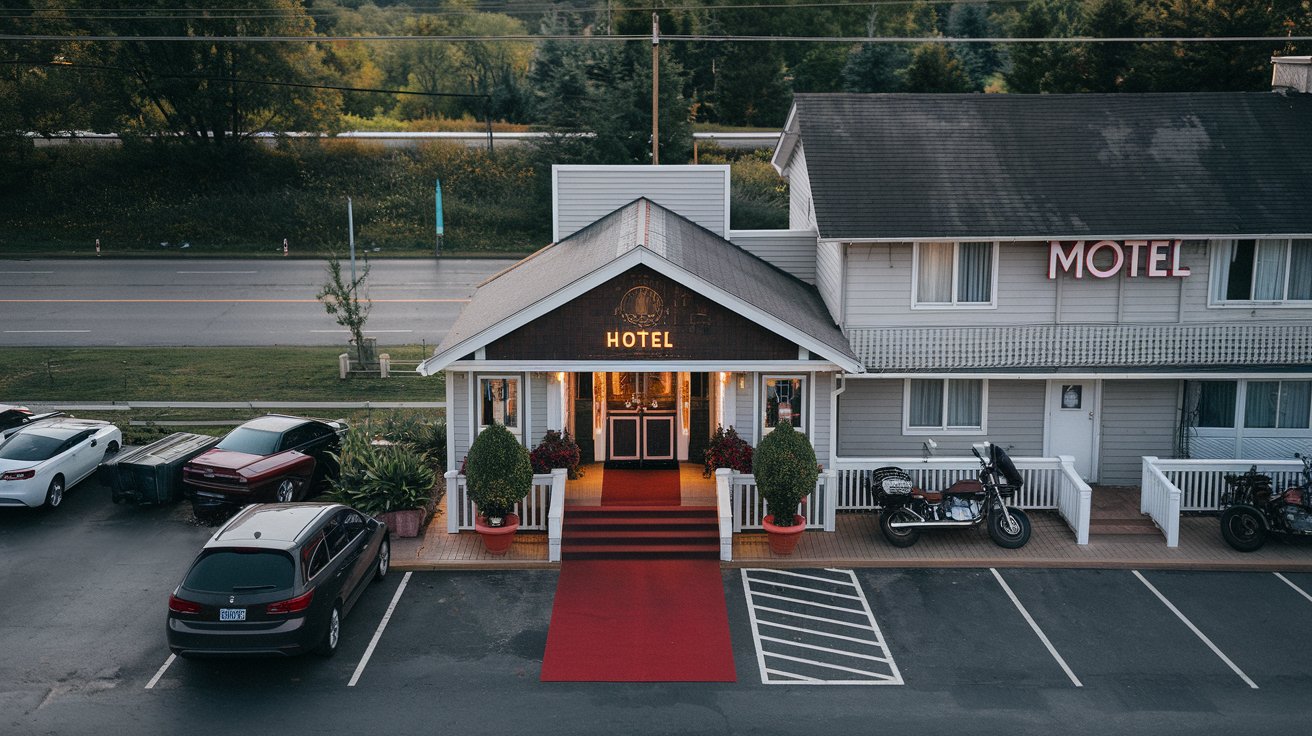
Understanding where motels fit in the accommodation spectrum helps complete the comparison. A motel represents budget lodging designed for motorists, featuring exterior corridors with direct parking access to rooms. Motels typically cost less than traditional hotels but more than hostel dormitory beds, ranging from $60 to $100 nightly across the United States in 2026.
The key difference: hostels emphasize social interaction through shared spaces, hotels provide full-service private accommodations, and motels offer basic private rooms with convenient parking. Motels suit road trippers and budget travelers wanting privacy without hostel dormitories or hotel amenities. Location also differs, with motels lining highways while hotels occupy city centers and hostels cluster in urban tourist districts throughout America.
Choosing Between Hostel and Hotel
Selecting the right accommodation depends on specific travel circumstances. Choose a hostel when traveling solo and seeking social connections, working with tight budgets, staying extended periods, or prioritizing location over luxury. Hostels suit adventurous travelers comfortable with shared spaces and minimal privacy. The communal hostel experience enriches travel through cultural exchange and friendship formation across the United States in 2026.
Opt for a hotel when traveling as couples or families, conducting business, carrying valuable equipment, or simply preferring private space and professional service. Hotels justify higher costs through convenience, cleanliness standards, and comprehensive amenities. Older travelers and those new to a destination often feel more comfortable in the structured hotel environment. Consider trip duration, budget flexibility, and personal comfort priorities when making this accommodation decision.
Quality Standards and Regulations
Accommodation quality varies within both categories across the United States. Reputable hostels maintain cleanliness through regular inspections, provide secure storage, and enforce quiet hours despite shared facilities. Organizations like Hostelling International establish standards, though independent hostels dominate the American market in 2026. Reading recent reviews helps identify well-managed hostels versus poorly maintained properties.
Hotels operate under stricter regulatory oversight including health inspections, fire codes, and accessibility requirements. Star ratings and brand standards provide quality indicators, though consistency varies by management. Established hotel chains maintain predictable standards through corporate policies and regular audits. Independent hotels range from charming boutiques to questionable budget properties. Both accommodation types benefit from thorough research before booking throughout the United States.
Related video about what is a hostel vs hotel
This video complements the article information with a practical visual demonstration.
FAQ – Common Questions
Can couples sleep together in hostels?
Yes, couples can sleep together in hostels by booking private rooms offered by most modern hostels in the United States. These private rooms function similarly to budget hotel rooms with double or twin beds, private or shared bathrooms, and secure locks. Prices for private hostel rooms in 2026 range from $80 to $120 nightly in major cities. Some hostels also offer double bunks in dormitories, though this provides less privacy. Couples seeking the social hostel atmosphere while maintaining intimate space find private rooms ideal, combining budget pricing with relationship comfort throughout their stay.
What are the disadvantages of hostels?
The primary disadvantages of hostels include limited privacy in shared dormitories, potential noise from roommates, shared bathroom facilities, and minimal personal space. Security concerns exist despite lockers, as you share rooms with strangers. Hostels lack daily housekeeping, room service, and luxury amenities standard in hotels. Sleep quality may suffer from different schedules among roommates. Additionally, hostel distribution throughout the United States remains sparse compared to hotels, limiting availability outside major cities. Older travelers and those with mobility issues may find bunk beds and communal stairs challenging in 2026.
Is it better to stay in a hostel or hotel?
Whether a hostel or hotel is better depends entirely on your travel priorities and circumstances. Choose hostels for budget travel, social experiences, meeting other travelers, and extended stays where cost savings matter most. Select hotels when traveling with family or partners, conducting business, prioritizing privacy and comfort, or preferring professional services. Solo young travelers typically prefer hostels, while couples, business travelers, and families benefit more from hotels. Consider your budget, desired social interaction level, and comfort requirements when deciding. Many experienced travelers use both depending on specific trip circumstances throughout the United States in 2026.
What is the point of staying in a hostel?
The primary point of staying in a hostel is maximizing travel duration and experiences through budget accommodation that facilitates social connections. Hostels allow travelers to save 50-70% on lodging costs compared to hotels, enabling longer trips or more activities. The communal atmosphere helps solo travelers meet companions, exchange travel tips, and combat loneliness on the road. Kitchen facilities further reduce expenses through self-catered meals. Many travelers value the authentic, adventurous hostel experience and cultural diversity unavailable in hotels. For budget-conscious adventurers exploring the United States in 2026, hostels transform accommodation from mere necessity into an integral part of the travel adventure.
Are hostels safe in the United States?
Yes, hostels are generally safe throughout the United States when choosing reputable establishments with positive reviews. Modern American hostels implement security measures including keycard access, security cameras, individual lockers, and staffed reception desks. However, shared dormitories require greater personal vigilance regarding belongings compared to private hotel rooms. Always use provided lockers for valuables, maintain awareness in communal spaces, and research properties before booking. Reading recent guest reviews reveals security track records. Hostels in major cities like New York, San Francisco, and Chicago maintain high safety standards in 2026, though basic precautions remain essential when staying in any shared accommodation environment.
What is the difference between hostel and inn?
A hostel emphasizes budget dormitory-style shared accommodation with communal facilities, while an inn typically offers private rooms in a smaller, often historic property with more personalized service. Inns usually include breakfast, feature fewer rooms than hotels, and provide a cozy, intimate atmosphere. Pricing for inns falls between hostels and mid-range hotels throughout the United States in 2026. Inns appeal to travelers seeking charm and character without luxury hotel prices, while hostels serve budget backpackers prioritizing social interaction. Bed and breakfast establishments share similarities with inns, offering private accommodations with included meals and personal touches unavailable in standardized hotel chains or communal hostel settings.
| Key Aspect | Hostel | Hotel |
|---|---|---|
| Average Cost (2026) | $35-$65 dormitory, $80-$120 private | $120-$250+ per night |
| Privacy Level | Shared dormitories or basic private rooms | Complete private rooms with en-suite bathrooms |
| Social Atmosphere | High interaction, communal spaces, organized activities | Minimal interaction, private and quiet environment |
| Target Travelers | Solo backpackers, students, budget travelers | Business travelers, couples, families, all demographics |
| Services Included | Shared kitchen, common areas, basic amenities | Housekeeping, room service, concierge, full amenities |
| Location Availability | Limited to major urban areas in United States | Widespread throughout all regions and cities |