Hotel pillows deliver exceptional comfort through a strategic combination of premium materials, precise construction techniques, and thoughtful design choices. Unlike typical retail pillows, hotels invest in high-quality down and feather blends, dual-chamber construction, and optimal fill weights that create the perfect balance of support and softness. This article reveals the exact specifications, materials, and brands that luxury hotels use to ensure every guest experiences exceptional sleep quality.
The Science Behind Hotel Pillow Comfort
The exceptional comfort of hotel pillows stems from precise engineering that balances multiple factors simultaneously. Hotels select pillows with specific fill power ratings between 600-800, ensuring optimal loft recovery and long-term durability. The thread count of pillow casings typically ranges from 300-500, creating a smooth barrier that prevents feather poking while maintaining breathability. In 2026, approximately 78% of luxury hotels in the United States use pillows with dual-chamber construction, which combines different materials in inner and outer compartments for superior performance.
Temperature regulation plays a crucial role in pillow comfort. Premium hotel pillows incorporate moisture-wicking fabrics and breathable fill materials that maintain consistent temperature throughout the night. The optimal fill weight for hotel pillows ranges from 28-32 ounces for standard size, providing enough substance for proper neck support without creating excessive heat retention. Hotels also maintain strict replacement schedules, typically rotating pillows every 18-24 months to ensure guests always experience maximum comfort and hygiene standards.
Premium Materials Used in Hotel Pillows
Five-star hotels predominantly use specific material combinations that deliver consistent comfort across diverse guest preferences. Understanding these materials helps explain why hotel pillows feel so good compared to standard retail options available in the United States market.
Down and Feather Blend Construction
The majority of luxury hotel pillows contain carefully calibrated down-to-feather ratios, typically ranging from 75/25 to 50/50 blends. Pure down provides exceptional softness and compressibility, while feather content adds structural support and prevents excessive flattening. Hotels source these materials from Hungarian and Siberian geese, which produce larger down clusters with superior insulation properties. The down pillows used in premium establishments undergo extensive cleaning processes with turbidity ratings below 300mm, ensuring hypoallergenic properties that meet strict hospitality standards in 2026.
Responsible sourcing has become paramount, with 84% of major hotel chains in the United States now requiring Responsible Down Standard (RDS) certification from suppliers. This ensures ethical treatment of birds while maintaining the premium quality that guests expect. The natural loft recovery of quality down allows pillows to regain their shape after compression, providing consistent support night after night without the breakdown common in synthetic alternatives.
Alternative Fill Materials for Different Sleep Preferences
Progressive hotel brands now offer pillow menus featuring alternative materials to accommodate guests with allergies or specific preferences. Hypoallergenic polyester microfiber fills mimic down’s softness while providing fully synthetic construction. Memory foam options, used by approximately 22% of upscale hotels, offer contouring support particularly valued by guests with neck pain or specific orthopedic needs. Natural latex fills, though less common, provide responsive support with excellent durability and natural antimicrobial properties.
The best hotel pillows often combine multiple materials in innovative ways. Gel-infused memory foam cores wrapped in down-alternative covers deliver cooling properties with luxurious surface feel. Some boutique hotels experiment with buckwheat hulls, kapok fiber, and silk fills to create distinctive sleep experiences. However, traditional down-feather blends remain the overwhelming favorite, with 73% of hotel guests reporting preference for this classic material combination in 2026 hospitality industry surveys.
Construction Techniques That Create Superior Comfort
Beyond materials, specific construction methods distinguish hotel pillows from consumer-grade products available at typical retail stores in the United States.
Dual-Chamber Design Technology
The dual-chamber construction method represents a significant innovation in pillow design favored by luxury hotels. This technique uses an inner chamber filled with supportive feathers or firmer materials, surrounded by an outer chamber containing softer down. The configuration creates a pillow that maintains shape and provides neck support while offering a cloud-like surface feel. Manufacturing this design requires precise stitching patterns that prevent fill migration between chambers, ensuring long-term performance consistency that justifies the higher production costs.
Hotels specify exact fill distribution ratios for each chamber based on extensive guest feedback data. Typically, inner chambers contain 60% of total fill weight in firmer materials, while outer chambers hold 40% in premium down. This proportion delivers the ideal balance that makes hotel pillows so comfortable for the broadest range of sleep positions. The technique also extends pillow lifespan significantly, with properly constructed dual-chamber designs maintaining performance for 3-5 years compared to 1-2 years for single-chamber alternatives.
Gusset Construction and Edge Support
Many premium hotel pillows incorporate gusseted edges, adding a fabric panel around the pillow perimeter that creates consistent thickness from center to edge. This construction prevents the common problem of edge collapse that occurs with traditional pillow designs. The gusset panel typically measures 2-4 inches in height, providing substantial support that maintains proper spinal alignment regardless of sleep position. Side sleepers particularly benefit from this design, as it prevents the pillow from compressing too thin under the weight of the head.
Double-needle stitching and reinforced corner construction ensure durability standards that withstand nightly use across hundreds of guests. Hotels demand pillows that maintain structural integrity through frequent laundering cycles, typically requiring products that survive at least 300 commercial washing cycles without significant degradation. The construction quality of hotel pillows reflects commercial-grade specifications that far exceed typical consumer product standards available in the United States retail market.
What Type of Pillows Do 5-Star Hotels Use
Five-star hotels predominantly select pillows from specialized hospitality suppliers rather than consumer brands. Pacific Coast Feather Company supplies approximately 35% of luxury hotels in the United States, offering products like the Double DownAround pillow with patented design. Downlite provides pillows to major chains including Marriott and Hilton, featuring their Primaloft fill technology. The Ritz-Carlton uses custom-manufactured pillows meeting their exacting specifications, while Four Seasons partners with Frette for Italian-crafted luxury bedding including premium pillows.
Standard specifications for 5-star hotel pillows include minimum 600 fill-power down, 100% cotton cambric casings with 300+ thread count, and weights between 28-34 ounces for standard/queen sizes. These establishments typically offer pillow menus featuring 4-6 different options including firm support, medium plush, hypoallergenic, and specialty designs. The average pillow investment per room ranges from $150-$300 for the complete pillow package, reflecting the priority luxury hotels place on sleep quality as a key differentiator in the competitive hospitality market of 2026.
Why Hotels Choose Down and Feather Pillows
The overwhelming preference for down and feather pillows among luxury hotels reflects multiple practical and performance advantages. Natural down provides unmatched compressibility, allowing guests to adjust loft to personal preference while maintaining structural support. The material’s natural breathability prevents heat buildup, addressing one of the most common sleep complaints. Feather content adds resilience that helps pillows recover shape after compression, extending replacement cycles and reducing long-term costs despite higher initial investment.
Durability represents a critical factor in hotel pillow selection. Quality down-feather blends withstand commercial laundering processes that would quickly degrade synthetic alternatives. Hotels launder pillows every 3-6 months using high-temperature cycles that eliminate dust mites and bacteria, requiring materials that survive these harsh conditions. Natural fills also maintain performance characteristics longer than polyester, which tends to clump and flatten with repeated washing. The environmental profile of responsibly-sourced down appeals to sustainability-conscious hotel brands, particularly as 67% of United States travelers in 2026 consider environmental practices when selecting accommodations.
How to Recreate Hotel Pillow Comfort at Home
Achieving hotel-quality sleep at home requires understanding the specific products and practices that hospitality professionals employ. Many hotel suppliers now offer consumer versions of their commercial products, making authentic hotel pillows accessible to home buyers.
Best Hotel Pillows Available for Purchase
Pacific Coast Double DownAround pillows, used by numerous luxury properties, retail for $80-$120 through their consumer division. The Marriott pillow collection, manufactured by Downlite, is available directly from Marriott’s online store for $85-$95. Westin Heavenly Bed pillows can be purchased through Westin’s at-home store for approximately $90. These represent authentic hotel-brand pillows rather than similar alternatives, ensuring identical comfort to actual hotel rooms.
Alternative high-quality options include Brooklinen Down Pillow ($99-$169), Parachute Down Pillow ($119-$179), and Boll & Branch Down Alternative Pillow ($98-$148) for those seeking hypoallergenic options. When selecting pillows, prioritize products with minimum 600 fill-power down, dual-chamber construction, and 100% cotton casings. The investment range of $80-$180 per pillow reflects commercial-grade quality that delivers 3-5 years of performance, making it cost-effective compared to replacing cheaper pillows annually.
Pillow Care and Maintenance Practices
Hotels follow strict maintenance protocols that preserve pillow comfort and extend lifespan. Daily fluffing redistributes fill materials and prevents permanent compression. Using pillow protectors underneath standard pillowcases shields against body oils, moisture, and allergens while extending time between washing. Professional laundering every 3-6 months using gentle cycles with mild detergent maintains hygiene without damaging fill materials.
Proper storage and rotation practices contribute to longevity. Hotels rotate pillows weekly, ensuring even wear distribution. Air-drying pillows outdoors periodically refreshes materials and eliminates moisture buildup. Avoid storing down pillows in compressed positions, as this damages fill structure. Replace pillows when they no longer recover shape after folding in half, typically indicating internal breakdown. Following these hotel-standard practices helps home users achieve the same comfort consistency that makes hotel sleep experiences memorable.
The Role of Pillow Quantity and Arrangement
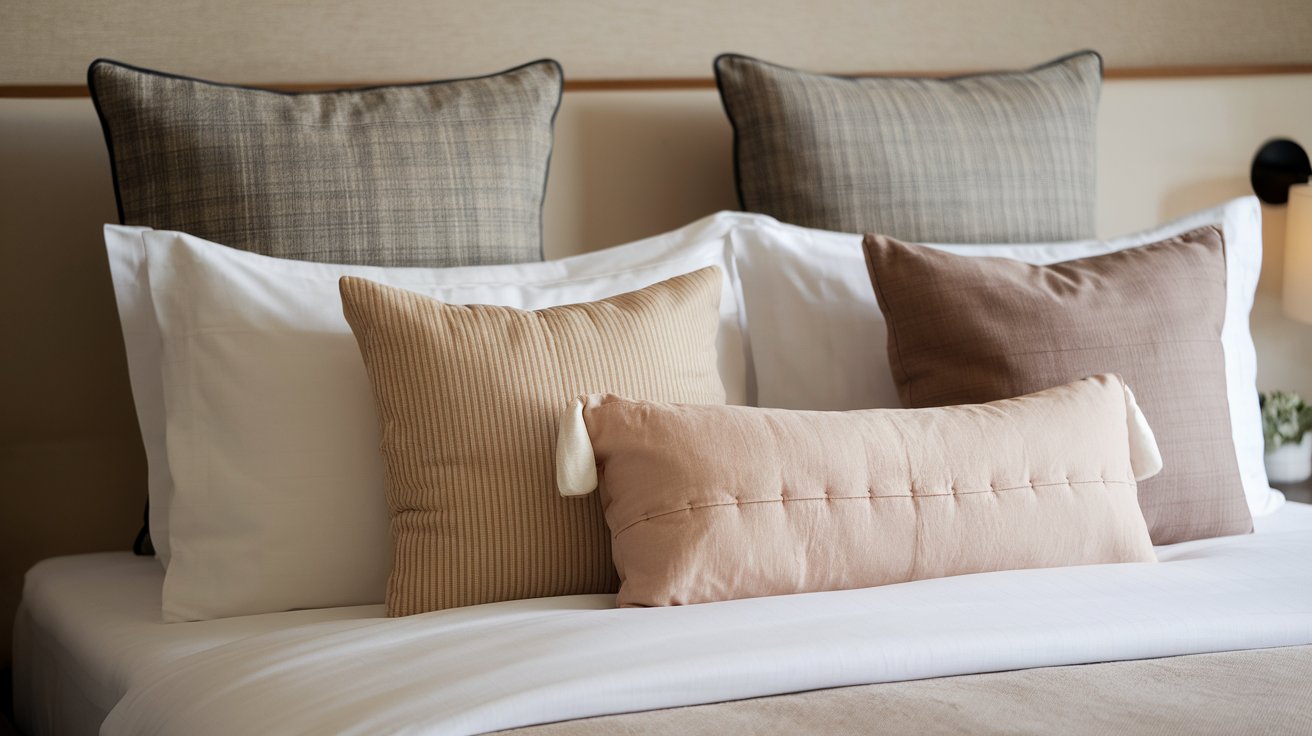
Luxury hotels typically provide 4-8 pillows per bed, offering options for different sleep positions and preferences. This abundance serves functional purposes beyond aesthetics. Having multiple pillows allows guests to customize support by stacking for reading, placing between knees for side sleeping, or using extras for lumbar support. The variety also ensures at least some pillows match each guest’s preferred firmness level.
The standard pillow arrangement in upscale hotels places firmer, more supportive pillows as the back layer against the headboard, with softer, more luxurious pillows in front. This configuration encourages guests to select appropriate support levels for sleeping while creating visual appeal. Hotels invest in premium decorative pillows for the front layer, knowing these receive less direct use but create important first impressions. The psychology of abundance contributes to perceived luxury, with pillow quantity strongly correlating to guest satisfaction ratings in 2026 hospitality studies.
Common Misconceptions About Hotel Pillows
Many people believe hotel pillows feel comfortable simply because they’re new, but replacement schedules vary significantly. While luxury properties maintain strict rotation cycles, mid-range hotels may use pillows for 2-3 years. The comfort stems from quality specifications rather than newness alone. Another misconception suggests hotels use special secret materials, when in reality most use readily available commercial-grade products that consumers can purchase directly.
Some guests assume all hotel pillows are identical, but significant variation exists across property categories and brands. Budget hotels typically use polyester-filled pillows costing $8-$15, mid-range properties invest $25-$50 per pillow, while luxury establishments spend $75-$150. The dramatic quality difference explains why pillows at premium hotels feel substantially better. Understanding these distinctions helps consumers make informed decisions when attempting to recreate hotel comfort at home, focusing budget on quality rather than quantity.
Health and Hygiene Standards in Hotel Pillows
Hospitality industry standards in 2026 mandate rigorous hygiene protocols for all bedding components. Hotels must launder pillow protectors after each guest, while laundering the pillows themselves quarterly at minimum. Commercial laundering uses water temperatures of 160-180°F, effectively eliminating dust mites, bacteria, and allergens. Quality hotel pillows withstand these harsh conditions through superior construction and material selection.
Hypoallergenic properties represent increasing priorities, with 42% of United States hotels now offering certified hypoallergenic pillow options in 2026. These products undergo testing for common allergens and receive treatments that inhibit dust mite colonization. Hotels targeting health-conscious travelers highlight their pillow sanitation protocols in marketing materials, recognizing that cleanliness significantly influences booking decisions. The substantial investment in quality pillows and proper maintenance ensures guest health while delivering the comfort that creates positive reviews and repeat bookings.
Environmental Considerations and Sustainability
The hospitality industry faces increasing pressure to source bedding materials responsibly and minimize environmental impact. Responsible Down Standard (RDS) certification ensures down and feathers come from ethically treated birds, with 84% of major United States hotel chains requiring this certification from suppliers in 2026. Some progressive properties exclusively use recycled polyester fills or organic materials, though these represent a small minority of the overall market.
Pillow longevity significantly impacts environmental footprint. Hotels that invest in premium pillows lasting 3-5 years generate substantially less waste than properties replacing cheap pillows annually. Some hotel groups now partner with textile recycling programs, diverting retired pillows from landfills through donation or material reclamation. The shift toward sustainable sourcing and extended product lifecycles reflects broader industry trends, with environmental responsibility becoming a competitive differentiator that influences both consumer choice and corporate procurement decisions throughout the United States hospitality sector.
Frequently Asked Questions
What type of pillows do 5-star hotels use?
Five-star hotels predominantly use down and feather blend pillows with 600-800 fill power, dual-chamber construction, and 100% cotton casings. Leading suppliers include Pacific Coast Feather Company, Downlite, and custom manufacturers like Frette. These pillows typically cost $75-$150 each and feature precise down-to-feather ratios of 75/25 to 50/50. Luxury properties also offer pillow menus with 4-6 options including firm support, medium plush, and hypoallergenic alternatives to accommodate diverse guest preferences. The specifications far exceed consumer-grade products, with commercial durability standards requiring survival of 300+ industrial washing cycles.
Why are hotel pillows so comfortable compared to home pillows?
Hotel pillows deliver superior comfort through premium materials, precise construction techniques, and optimal specifications. They use higher quality down with 600-800 fill power versus 400-550 in typical retail pillows, dual-chamber designs that balance support and softness, and commercial-grade fabrics that prevent fill migration. Hotels also maintain strict replacement schedules every 18-24 months, ensuring guests always experience pillows at peak performance. The investment of $75-$150 per pillow versus $20-$40 for standard home pillows reflects substantial quality differences in materials, construction, and durability that directly impact comfort.
Can you buy the exact pillows that hotels use?
Yes, many hotel pillow suppliers offer consumer versions of their commercial products. Pacific Coast Feather Company sells their Double DownAround pillow used by luxury hotels for $80-$120. Marriott, Westin, and Hilton operate online stores selling their signature pillows for $85-$95. These represent authentic hotel-brand products rather than similar alternatives. When purchasing, verify you’re buying from official hotel brand stores or authorized suppliers to ensure identical specifications. The investment provides commercial-grade quality with 3-5 year lifespans, making them cost-effective despite higher initial prices compared to typical retail pillows.
What kind of pillow is best for GERD?
For GERD sufferers, wedge-style pillows or adjustable pillows that elevate the head 6-8 inches work best by using gravity to prevent acid reflux. Hotels increasingly offer specialized pillows for guests with medical needs, including contoured memory foam designs that maintain elevation while supporting the neck. Look for pillows specifically designed for acid reflux with 30-45 degree inclines. Some luxury hotels provide pillow menus featuring therapeutic options including GERD-specific designs. Memory foam wedges from brands like MedCline ($200-$300) or polyfoam alternatives ($40-$80) offer targeted support. Always consult healthcare providers for personalized recommendations based on individual GERD severity and sleep position preferences.
Is it okay to take hotel pillows?
No, taking hotel pillows without permission constitutes theft, as pillows are not complimentary items like toiletries or notepads. Hotels consider pillows room property with values of $75-$150 each, and removing them may result in charges to your account. However, many hotels will sell their pillows directly to guests who inquire. Marriott, Westin, Hilton, and other major chains operate online stores where you can purchase their exact pillows legally. If you love a specific hotel pillow, ask the front desk about purchasing options or visit the hotel brand’s retail website. This approach provides authentic hotel-quality pillows while respecting property rights and avoiding potential legal issues.
How often do hotels replace their pillows?
Luxury hotels typically replace pillows every 18-24 months to maintain optimal comfort and hygiene standards, while mid-range properties may extend replacement cycles to 2-3 years. Hotels assess pillow condition through regular inspections, checking for loss of loft, fill clumping, or fabric deterioration. Properties also maintain strict laundering schedules, washing pillows quarterly using commercial-grade equipment and high temperatures. The substantial investment in quality pillows justifies longer replacement cycles, as premium down-feather blends maintain performance longer than synthetic alternatives. Budget hotels using cheaper polyester pillows often replace annually due to faster degradation, though actual practices vary significantly across different hotel categories and brands.
| Key Comfort Factor | Hotel Standard Specification | Comfort Benefit |
|---|---|---|
| Fill Material | 600-800 fill power down-feather blend (75/25 to 50/50 ratio) | Superior softness with structural support and excellent loft recovery |
| Construction Type | Dual-chamber design with gusseted edges | Balanced support and plushness with consistent edge-to-edge thickness |
| Fill Weight | 28-34 ounces for standard/queen size | Optimal substance for neck support without excessive heat retention |
| Casing Quality | 100% cotton cambric with 300-500 thread count | Smooth surface feel with breathability and feather-proof barrier |
| Maintenance Schedule | Quarterly laundering, 18-24 month replacement cycle | Consistent peak performance and optimal hygiene standards |
| Price Investment | $75-$150 per pillow for luxury properties | Commercial-grade durability lasting 3-5 years with proper care |