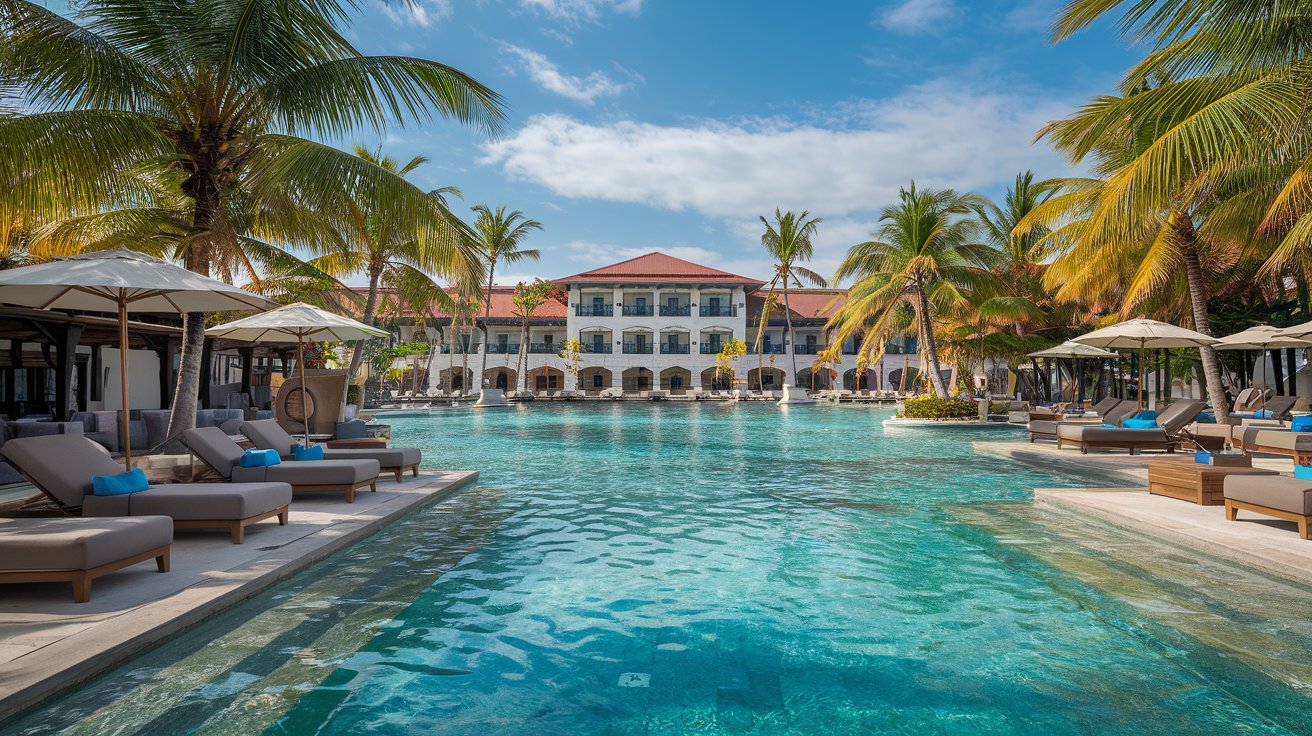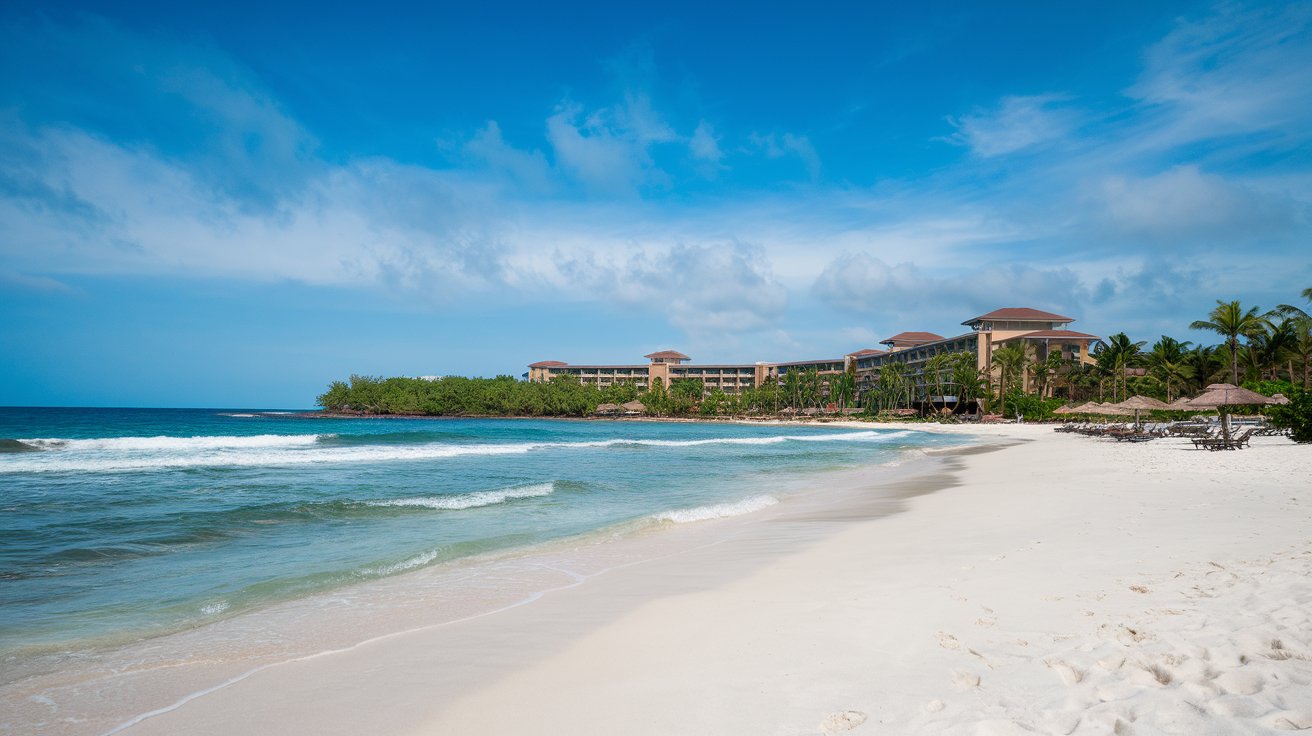
An all-inclusive resort is a vacation property where guests pay one upfront price that covers accommodations, meals, beverages (including alcohol), activities, and entertainment. Unlike traditional hotels where you pay separately for each service, all-inclusive resorts bundle everything into a single rate, allowing travelers to enjoy their vacation without constantly reaching for their wallet. In the United States market, these resorts have grown 34% in popularity since 2023, with Americans seeking predictable vacation budgets and stress-free experiences.
What Does All-Inclusive Actually Include?
The term all-inclusive covers a comprehensive package of services and amenities at participating resorts. Most all-inclusive resorts include unlimited dining at multiple on-site restaurants, ranging from buffet-style to à la carte specialty venues. Guests receive three meals daily plus snacks throughout the day, with many properties offering 24-hour room service at premium tiers. The all-inclusive meaning extends beyond just food to encompass your entire vacation experience.
Beverages represent a significant component of what all-inclusive resorts provide. Does all inclusive include alcohol? Yes, the vast majority of all-inclusive properties include beer, wine, cocktails, and spirits from 10 AM until midnight or later. Premium brands may require an upgraded package, but standard domestic and international drinks flow freely at poolside bars, beach bars, and restaurants. Non-alcoholic options like sodas, juices, coffee, tea, and bottled water are available unlimited throughout your stay.
Activities and entertainment form the third pillar of the all-inclusive experience. Most resorts include non-motorized water sports like kayaking, paddleboarding, and snorkeling equipment. Land activities typically include fitness classes, tennis courts, beach volleyball, and pool games. Evening entertainment features live music, themed shows, and dance performances. Some resorts include daily group activities like water aerobics, cooking classes, and dance lessons at no additional charge.
How All-Inclusive Resorts Differ From Traditional Hotels
The difference between an all-inclusive resort and a traditional hotel fundamentally changes how you budget and experience your vacation. At conventional hotels, you pay only for the room, then separately purchase meals at restaurants, drinks at bars, and activities through various vendors. A family of four might spend $150-300 daily on meals alone, plus $50-100 on drinks, and $100-200 on activities. These costs quickly accumulate and create budget uncertainty throughout your trip.
All-inclusive resorts eliminate this financial stress by bundling everything into your initial booking price. You know exactly what you’ll spend before departure, with no surprises or hidden costs during your vacation. This payment structure appeals strongly to American families, with 67% of U.S. travelers citing budget predictability as their primary reason for choosing all-inclusive properties in 2026. The psychological freedom of not tracking expenses enhances relaxation and vacation enjoyment.
Service levels and resort design also differentiate all-inclusive resorts from standard hotels. All-inclusive properties typically occupy larger footprints with extensive amenities designed to keep guests on-property for their entire stay. Traditional hotels often serve as sleeping bases while guests explore surrounding areas and patronize local restaurants. Resorts invest heavily in diverse dining venues, multiple pools, entertainment teams, and activity programming to justify the all-inclusive model and maximize guest satisfaction.
Types of Guests Who Choose All-Inclusive Resorts
Families with children represent the largest demographic at all-inclusive resorts, accounting for 42% of bookings in the United States market during 2026. Parents appreciate knowing meal costs are covered regardless of how much their children eat, and kids’ clubs provide supervised activities while adults relax. Many family-friendly resorts feature water parks, game rooms, teen lounges, and age-specific programming that would cost hundreds extra at traditional destinations. The value proposition becomes compelling when feeding multiple children three meals daily plus snacks.
Couples seeking romantic getaways increasingly choose all-inclusive resorts adults only properties for honeymoons, anniversaries, and weekend escapes. These 18+ venues eliminate children’s noise and create sophisticated atmospheres with upscale dining, spa services, and tranquil pool areas. Adults-only resorts grew 28% in the U.S. market between 2024-2026, reflecting millennials’ preference for curated experiences and social media-worthy settings. Couples value the predictable costs and romantic ambiance without family-focused activities.
Groups and multi-generational travelers find all-inclusive resorts solve complex logistics when coordinating different budgets and preferences. Whether celebrating reunions, destination weddings, or milestone birthdays, the inclusive model ensures everyone accesses the same amenities regardless of individual spending capacity. Golf groups, corporate retreats, and friend gatherings appreciate centralized billing and varied activity options that accommodate diverse interests within a single property.
Why Travelers Select All-Inclusive Properties
Budget predictability tops the list of reasons American travelers choose all-inclusive vacations, with 71% of surveyed guests in 2026 citing cost certainty as their primary motivation. Knowing your total vacation expense upfront eliminates the anxiety of watching spending during the trip. Families particularly appreciate calculating per-person daily costs and avoiding arguments about restaurant choices or drink purchases. The all-inclusive model transforms vacation spending from dozens of small decisions into one upfront payment.
Convenience and stress reduction drive many bookings, especially among first-time international travelers. All-inclusive resorts eliminate language barriers around ordering food, currency exchange confusion, and tipping uncertainty. Guests bypass researching external restaurants, making reservations, or arranging transportation to dining venues. Everything exists within walking distance on the resort property, and staff handle details from breakfast through evening entertainment. This simplicity proves invaluable for travelers seeking pure relaxation without logistical planning.
Value perception influences decisions, particularly for travelers visiting expensive destinations where restaurant meals cost $25-50 per person. When comparing the total cost of accommodations plus estimated meal and activity expenses against an all-inclusive rate, many find the bundled option more economical. Unlimited premium alcohol, water sports equipment, and nightly entertainment add significant value. Resort guests average 8-12 meals and 15-20 drinks during a 4-night stay, which would cost $800-1,200 separately at most vacation destinations.
What Items All-Inclusive Packages Typically Cover
Dining and Beverage Inclusions
All-inclusive resorts provide unlimited access to multiple dining venues, typically including one buffet restaurant with extended hours and 3-6 specialty restaurants featuring Italian, Asian, steakhouse, and seafood cuisines. Reservations may be required for à la carte venues, but meals themselves cost nothing beyond your package rate. Most resorts accommodate dietary restrictions including vegetarian, vegan, gluten-free, and kosher meals with advance notice. Room service is included at higher-tier properties, though some limit hours or charge delivery fees.
The beverage program at all-inclusive properties includes domestic and international beer, house wines, well cocktails, and frozen drinks at bars throughout the resort. Premium liquor brands like top-shelf spirits require upgraded packages at some properties, while others include them in standard rates. Does all inclusive mean free drinks all day? Most resorts serve alcohol from 10 AM until midnight or 1 AM, with some offering 24-hour bars. Non-alcoholic beverages including specialty coffees, fresh juices, smoothies, and bottled water are available unlimited at all hours.
Activities and Entertainment Programs
Standard all-inclusive packages include non-motorized water sports like kayaking, stand-up paddleboarding, snorkeling with provided equipment, and sailing on small catamarans. Beach and pool activities include organized games, water aerobics, dance classes, and sports tournaments coordinated by entertainment staff. Land-based amenities typically cover tennis courts with equipment, beach volleyball, bocce ball, ping pong tables, and fitness center access with group classes. These activities would cost $30-75 each if booked separately at traditional resorts.
Evening entertainment at all-inclusive resorts features live music, themed dinner shows, dance performances, and resort-produced theatrical productions. Many properties host beach parties, foam parties, silent discos, and karaoke nights as part of the inclusive experience. Some resorts include introductory scuba diving lessons in pools, cooking demonstrations with chefs, cocktail-making classes, and language lessons. Kids’ clubs provide supervised activities for ages 4-12 with arts and crafts, games, and age-appropriate entertainment included in family packages.
Services That Cost Extra at All-Inclusive Resorts
Motorized water sports represent the most common additional charge at all-inclusive resorts, with jet skis costing $60-90 for 30 minutes, parasailing $80-120 per person, and scuba diving excursions $100-150 for two-tank dives. These activities involve fuel costs, specialized equipment, and certified instructors that resorts cannot economically include in base packages. Deep-sea fishing charters, catamaran cruises to nearby islands, and submarine tours also require separate payment ranging from $75-300 per person depending on the experience.
Spa services generate significant revenue at all-inclusive properties, with massages ($120-200), facials ($100-150), and body treatments ($80-140) charged separately. Some premium all-inclusive resorts include basic spa access like hydrotherapy circuits, but individual treatments always cost extra. Golf remains excluded from most all-inclusive packages, with green fees ranging $100-250 per round plus cart rentals and club rentals. Casino gaming, private cabana rentals ($50-200 daily), and premium lounge access may require additional fees at larger resort properties.
Off-property excursions to archaeological sites, zip-line parks, swimming with dolphins, or cultural tours operate independently from resort packages. These experiences cost $50-200 per person and provide opportunities to explore beyond the resort. Premium dining experiences like chef’s table dinners ($75-150 per person), private beach dinners ($200-500 per couple), and wine tastings with sommelier guidance ($40-80) supplement the included dining options. Understanding what costs extra helps travelers budget appropriately and avoid surprise charges during their stay.
How All-Inclusive Resorts Generate Profit
How do all inclusive resorts make money when providing unlimited food and drinks? Volume and operational efficiency create profitability despite generous inclusions. Resorts negotiate bulk purchasing agreements with suppliers, reducing per-unit costs on food, beverages, and supplies by 40-60% compared to retail prices. Central kitchens prepare items for multiple restaurants simultaneously, and buffet-style dining reduces labor costs compared to full-service restaurants. The higher occupancy rates attracted by all-inclusive models spread fixed costs across more guests, improving profit margins.
Ancillary revenue streams supplement the base package income at all-inclusive properties. Spa services alone generate $1.2-2.8 million annually at mid-sized resorts, with 60-70% profit margins. Premium liquor upgrades, motorized water sports, golf, and off-property excursions add $800-1,500 per booking on average. Retail shops selling jewelry, clothing, sunscreen, and souvenirs contribute additional profits. Wedding packages and group events provide high-margin business, with destination weddings at all-inclusive resorts averaging $15,000-40,000 in total spending beyond basic accommodations.
Strategic pricing tiers maximize revenue at all-inclusive resorts by offering good-better-best packages. Base packages attract price-sensitive travelers while premium tiers with upgraded rooms, exclusive restaurants, top-shelf liquor, and concierge services command 40-80% higher rates. Resorts upsell 35-45% of standard bookings to premium categories during the reservation process or upon arrival. The psychological satisfaction of unlimited inclusions reduces price resistance, and guests perceive strong value even at premium price points when comparing total vacation costs.
Popular All-Inclusive Resort Brands and Examples
Major hotel chains entered the all-inclusive market aggressively between 2020-2026, transforming the competitive landscape. Marriott launched its all-inclusive collection with properties in Caribbean destinations, leveraging Bonvoy loyalty points and brand recognition to attract American travelers. Hilton followed with all-inclusive offerings in Mexico and Jamaica, integrating Hilton Honors benefits and allowing points redemption for stays. Hyatt acquired Apple Leisure Group in 2021, gaining brands like Secrets, Dreams, and Breathless that serve different market segments from families to adults-only luxury.
Independent all-inclusive brands maintain strong market positions despite chain competition. Sandals Resorts dominates the couples-only luxury segment with 16 properties across the Caribbean, offering butler service, unlimited dining at up to 16 restaurants per property, and premium inclusions. Beaches Resorts provides the family equivalent with water parks and Sesame Street characters. Club Med pioneered the modern all-inclusive concept in 1950 and operates 70 properties worldwide, including mountain and beach destinations with emphasis on activities and social atmosphere.
Boutique all-inclusive resorts cater to discerning travelers seeking unique experiences beyond mega-resort offerings. Properties like Rockhouse Hotel in Jamaica (adults-only, 34 rooms) and Copala at Quivira Los Cabos emphasize design, culinary excellence, and personalized service over massive scale. These smaller resorts typically cost $400-900 nightly compared to $200-400 at large chain properties, but deliver elevated food quality, craft cocktails, and intimate settings. The boutique segment grew 41% from 2024-2026 as affluent travelers prioritized experience quality over price value.
Pros and Cons of Choosing All-Inclusive Resorts
Advantages of All-Inclusive Vacations
The budget certainty provided by all-inclusive pricing eliminates vacation financial stress and prevents overspending. Families know their exact costs before departure, avoiding shock when reviewing credit card statements after traditional vacations. The convenience factor proves invaluable, with everything from breakfast through evening shows located within one property. Guests avoid researching external restaurants, making reservations, renting cars, or carrying wallets to meals. This simplicity maximizes relaxation time and reduces decision fatigue during vacation.
Value advantages become apparent for travelers who consume multiple meals daily and enjoy alcoholic beverages. A couple drinking 4-6 cocktails each per day would spend $80-120 daily on alcohol alone at typical resort bar prices. Adding three restaurant meals ($60-100 per person daily) and activities ($50-100 daily) shows the all-inclusive model often costs less than itemized spending. The unlimited access encourages trying new foods and drinks without worrying about individual item costs, enhancing vacation enjoyment and culinary exploration.
Disadvantages and Limitations
The pros and cons of all-inclusive resorts include potential limitations on culinary diversity and local cultural immersion. Staying on-property for all meals means missing authentic local restaurants, street food, and cultural dining experiences in surrounding communities. Some travelers feel confined by the resort bubble, especially at properties designed to discourage leaving the grounds. Food quality varies significantly between resort brands, with some offering mediocre buffet fare that doesn’t justify the premium pricing compared to high-quality local alternatives.
Hidden costs can surprise guests who assume everything is free in all-inclusive resorts. Premium liquors, motorized water sports, spa treatments, golf, specialty dining surcharges, and off-property excursions add up quickly. Some resorts charge for beach cabanas, Wi-Fi in rooms, or premium seating at shows. Gratuities may be included or expected despite the all-inclusive label, creating confusion about tipping appropriateness. Reading the fine print about what’s actually included prevents budget surprises and disappointment during your stay.
Overconsumption represents another concern, with unlimited food and alcohol leading some guests to overindulge beyond comfortable levels. The psychological effect of pre-paid amenities encourages using services simply because they’re included rather than genuinely wanting them. Environmental considerations arise as all-inclusive resorts generate more waste from unlimited consumption patterns compared to traditional hotels where guests make conscious ordering decisions. These factors deserve consideration when evaluating if the all-inclusive model aligns with your vacation preferences and values.
Does All-Inclusive Include Flights and Transportation
Does all inclusive include flights to the resort destination? No, all-inclusive packages refer exclusively to services and amenities provided at the resort property itself, not travel arrangements to reach that destination. Guests book airfare separately through airlines, travel agencies, or online booking platforms. The all-inclusive resort package begins when you arrive at the property and ends when you depart, covering only on-site experiences during your stay. This distinction confuses many first-time all-inclusive travelers who assume the comprehensive package extends to transportation.
Airport transfers between the airport and resort property sometimes are included in all-inclusive packages, particularly at higher-end properties or when booking through resort-direct websites. Many resorts offer complimentary shuttle services or private transfers as a booking incentive, while others charge $25-75 per person each way. Package deals through travel agencies occasionally bundle flights, transfers, and resort stays into one price, but the flight component represents a separate line item rather than part of the all-inclusive resort package itself.
Travel insurance, visa fees, passport costs, and pre-travel expenses like airport parking or baggage fees remain the traveler’s responsibility separate from all-inclusive pricing. When budgeting for an all-inclusive vacation, Americans should calculate roundtrip airfare ($300-800 per person for Caribbean destinations), airport transfers if not included ($50-150 roundtrip), travel insurance ($50-150 per person), and incidental expenses. Understanding these distinctions prevents confusion about what all-inclusive actually means and ensures accurate trip budgeting including all necessary expenses beyond the resort package itself.
Best All-Inclusive Resorts for American Travelers in 2026
The best all-inclusive resorts for U.S. travelers balance location accessibility, quality inclusions, and value for money. Properties in Mexico dominate due to short flight times (2-4 hours from most U.S. cities), favorable exchange rates, and extensive resort infrastructure. Excellence Playa Mujeres near Cancun earned top ratings in 2026 for its culinary program featuring 11 restaurants, adults-only atmosphere, and included premium liquors. Garza Blanca Resort & Spa Los Cabos impressed reviewers with ocean-view suites, gourmet dining, and personalized service at moderate pricing.
Caribbean all-inclusive resorts offer diverse experiences across different islands and cultural settings. Sandals Royal Caribbean in Montego Bay, Jamaica provides overwater bungalows, private island access, and butler service for couples seeking luxury. Beaches Turks and Caicos delivers exceptional family experiences with a 45,000-square-foot water park, kids’ camps, and teen lounges alongside 21 restaurants. These Caribbean properties require slightly longer flights (3-5 hours) and higher price points ($450-700 nightly) but offer pristine beaches and tropical settings.
Emerging destinations expand all-inclusive options beyond traditional Caribbean and Mexican hotspots. All-inclusive resorts in Central America, particularly Costa Rica and Panama, appeal to adventure-oriented travelers with rainforest settings, wildlife experiences, and eco-conscious operations. Dominican Republic properties like Secrets Cap Cana Resort & Spa provide luxury at lower price points ($300-450 nightly) with excellent beach quality and modern facilities. When selecting the best resort, consider flight convenience, resort reviews from recent guests, included amenities matching your priorities, and total package value including the reservation rate plus estimated extra spending.
Tips for Maximizing Your All-Inclusive Resort Experience
Research thoroughly before booking to ensure the resort’s inclusions match your vacation priorities and preferences. Read recent guest reviews on multiple platforms, noting comments about food quality, service levels, room conditions, and hidden fees. Compare what’s included across different properties, as all-inclusive packages vary significantly between brands. Some include premium liquors, motorized water sports, and golf while others charge extra for these amenities. Understanding exactly what your package covers prevents disappointment and allows accurate cost comparisons.
Make restaurant reservations immediately upon arrival at resorts requiring bookings for specialty dining venues. Popular restaurants fill quickly, especially during peak travel seasons, and waiting until mid-week may leave only limited availability. Try different restaurants throughout your stay rather than defaulting to the buffet for every meal. Sample specialty cuisines and take advantage of unlimited access to explore diverse culinary offerings included in your package price without additional cost.
Participate in included activities to maximize your package value beyond just meals and drinks. Attend fitness classes, water aerobics, dance lessons, and evening entertainment that would cost money at traditional resorts. Book complimentary non-motorized water sports early in your stay when you have energy and enthusiasm. Balance relaxation with activity to experience the full value of your all-inclusive resort, and consider upgrading to premium packages if exclusive amenities like private beach areas or concierge services significantly enhance your vacation enjoyment.
Related video about what is an all inclusive resort
This video complements the article information with a practical visual demonstration.
Frequently Asked Questions
Is everything really free at all-inclusive resorts?
Not everything is free at all-inclusive resorts despite the name. Your package covers accommodations, most meals at multiple restaurants, domestic and international alcoholic beverages, non-alcoholic drinks, non-motorized water sports, entertainment, and fitness facilities. However, motorized water sports like jet skis ($60-90), spa treatments ($80-200), golf ($100-250 per round), premium dining experiences ($75-150), off-property excursions ($50-200), and sometimes premium liquor brands cost extra. Approximately 60-70% of guests spend an additional $200-600 beyond their package rate during a typical 4-night stay on these excluded services and upgrades.
How much does an all-inclusive resort cost per person?
All-inclusive resort prices vary significantly based on destination, property quality, room category, and travel dates. Budget-friendly options in Mexico and Dominican Republic start at $150-250 per person nightly for double occupancy during off-peak seasons. Mid-range properties typically cost $250-400 per person nightly with better dining quality and more amenities. Luxury all-inclusive resorts range from $400-900+ per person nightly, offering premium inclusions like butler service, top-shelf alcohol, and gourmet restaurants. A 4-night all-inclusive vacation for a couple averages $2,400-4,800 total including resort costs but excluding flights, which add $600-1,600 for both travelers from most U.S. departure cities in 2026.
Are all-inclusive resorts worth the money compared to regular hotels?
All-inclusive resorts provide better value than traditional hotels for travelers who eat three meals daily at the property, consume multiple alcoholic beverages, and participate in included activities. A couple spending $80-120 daily on drinks, $120-200 on meals, and $50-100 on activities would pay $250-420 daily beyond room costs at traditional hotels. This totals $1,000-1,680 for a 4-night stay just on extras, often exceeding the incremental cost of choosing all-inclusive over room-only rates. However, travelers who prefer exploring local restaurants, don’t drink alcohol, or spend most time off-property touring may find traditional hotels more economical and flexible for their vacation style.
Can you leave an all-inclusive resort to explore the local area?
Yes, you can absolutely leave all-inclusive resorts to explore surrounding areas, local attractions, and nearby towns whenever you wish. Your bracelet or room key provides re-entry to the resort property throughout your stay. However, meals and drinks consumed outside the resort are not included in your package and require separate payment. Many guests balance their time by enjoying resort amenities for most meals and relaxation while taking day trips to archaeological sites, beach towns, or cultural attractions. Some travelers feel the comprehensive inclusions at resorts discourage leaving since you’ve pre-paid for on-property dining and entertainment, but you’re never restricted from departing and returning as you choose during your vacation.
Do all-inclusive resorts include alcohol for all guests?
Does all inclusive include alcohol depends on guest age and local laws. All-inclusive resorts include unlimited beer, wine, and cocktails for guests meeting the legal drinking age, which is 18 in Mexico and most Caribbean destinations, and 21 in the United States and some other countries. Resorts strictly enforce age requirements with ID checks and color-coded wristbands distinguishing adults from minors. The included alcohol typically covers domestic and international beer, house wines, and well cocktails with standard spirits. Premium top-shelf liquors may require upgraded packages at some resorts, though many include them in standard rates. Non-alcoholic beverages are unlimited for all ages throughout the property.
What is the difference between all-inclusive and full board?
The difference between all-inclusive and full board lies in beverage and activity inclusions beyond meals. Full board, also called American Plan, includes accommodations plus three meals daily (breakfast, lunch, dinner) but requires separate payment for all beverages including soft drinks, alcohol, and sometimes even water. Activities, entertainment, and water sports cost extra under full board. All-inclusive packages include meals plus unlimited alcoholic and non-alcoholic beverages, non-motorized water sports, entertainment, and fitness facilities in one bundled price. All-inclusive provides significantly more value and convenience for most travelers, though full board costs less upfront and appeals to guests who prefer exploring beyond the resort for drinks and activities.
| Package Component | What’s Typically Included | Common Exclusions |
|---|---|---|
| Dining | All meals at multiple restaurants, buffets, snacks, room service (varies), dietary accommodations | Premium chef’s table dinners, private beach dining, some room service charges |
| Beverages | Domestic/international beer, house wine, standard cocktails, soft drinks, coffee, juice, water | Top-shelf premium liquors (at some resorts), specialty wine bottles, fresh coconuts |
| Activities | Non-motorized water sports, fitness classes, tennis, beach games, kids’ clubs, nightly entertainment | Motorized water sports, scuba diving, golf, spa services, off-property excursions |
| Accommodations | Daily housekeeping, pool/beach access, Wi-Fi (varies), basic amenities, beach towels | Premium cabanas, upgraded room categories, late checkout fees, mini-bar restocking |
| Average Daily Value | $250-420 per couple in included meals, drinks, and activities compared to itemized purchasing | Additional spending averages $50-150 daily per couple on excluded services and upgrades |