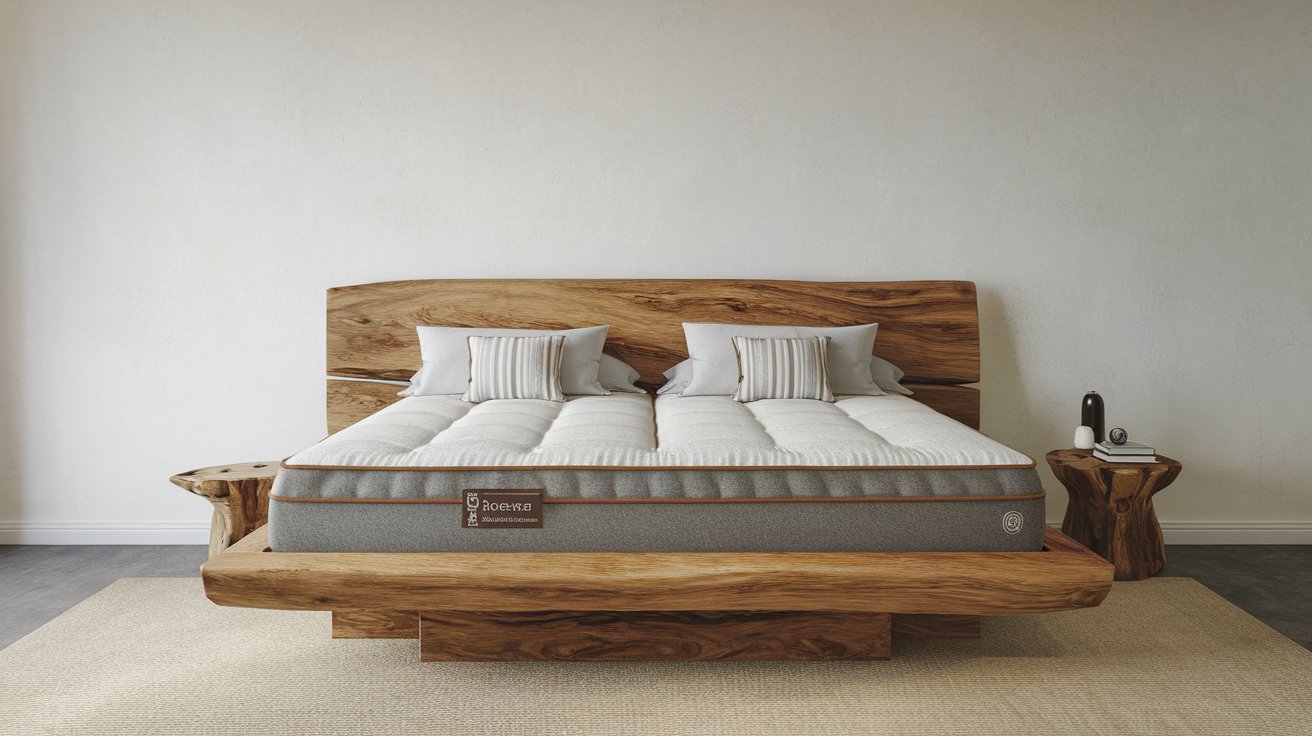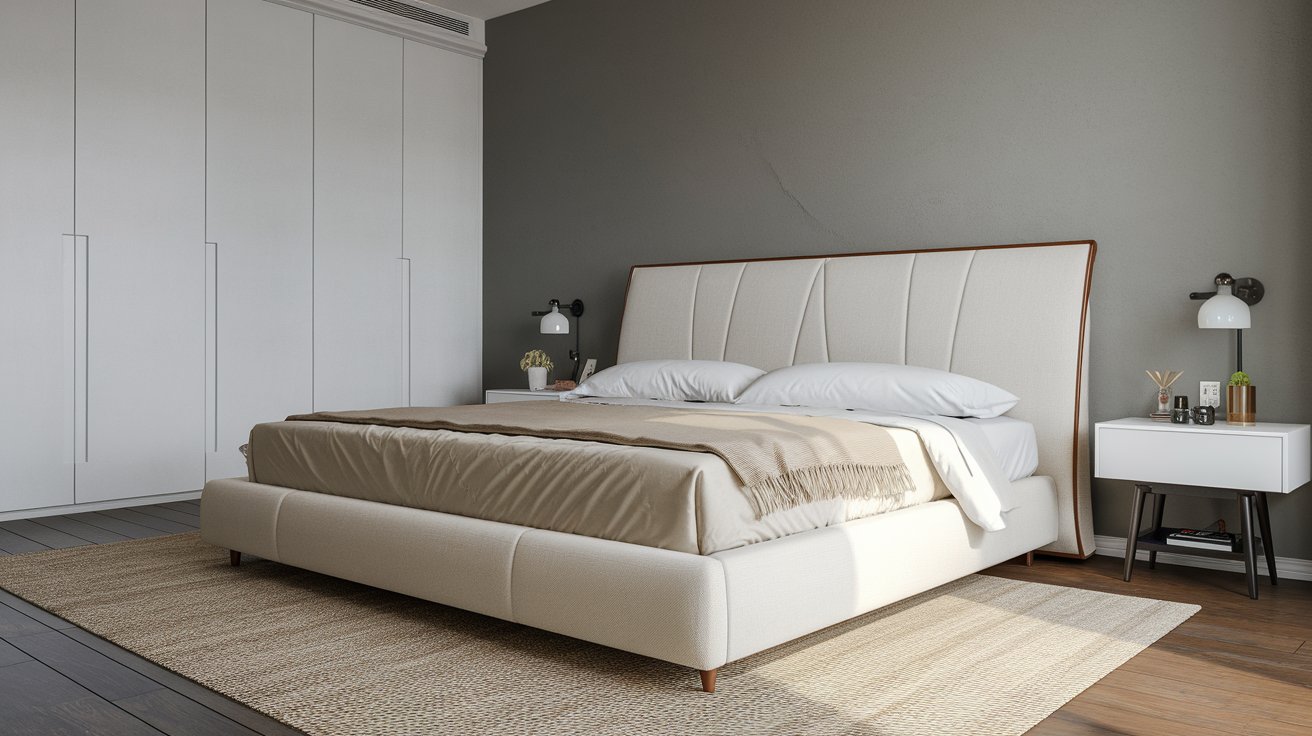
A king size bed measures 76 inches wide by 80 inches long, making it one of the most spacious sleep surfaces available in the United States. Understanding precise bed dimensions is crucial when purchasing a new mattress, selecting bedding, or planning bedroom layouts. This comprehensive guide covers all standard mattress sizes, with detailed measurements in inches, feet, and centimeters to help you make the perfect choice for your sleeping needs in 2026.
Standard King Size Bed Dimensions Explained
The standard king size bed dimensions are 76 inches wide by 80 inches long, which converts to approximately 6.3 feet by 6.7 feet or 193 centimeters by 203 centimeters. This size provides each sleeper with 38 inches of personal space, equivalent to a twin bed width. In 2026, king size mattresses remain the second most popular choice among American households, accounting for approximately 28% of all mattress sales according to recent industry data.
King size beds require substantial bedroom space to maintain proper functionality and aesthetics. Bedroom dimensions of at least 12 feet by 12 feet are recommended to accommodate a king bed comfortably, allowing adequate walking space around the furniture. The mattress surface area totals 6,080 square inches, providing ample room for couples, co-sleeping families, or individuals who prefer maximum sleeping space. King size mattresses typically weigh between 90 to 160 pounds depending on construction materials and foam density.
King Size Bed Dimensions in Different Measurements
Understanding king size bed dimensions across multiple measurement systems ensures accurate mattress selection and bedroom planning. Different countries and manufacturers may use various measurement standards, making it essential to verify specifications before purchasing bedding or furniture accessories.
King Size Bed Dimensions in Inches
King size bed dimensions in inches are precisely 76 inches wide by 80 inches long, with a mattress thickness typically ranging from 10 to 16 inches in 2026 models. Premium luxury mattresses may reach 18 to 20 inches in height, particularly hybrid and pillow-top designs. The 76-inch width provides substantial space for two adults, while the 80-inch length accommodates individuals up to 6 feet 4 inches tall comfortably. When measuring for fitted sheets, account for the mattress depth by selecting sheet pocket depths at least 2 inches greater than your mattress thickness to ensure proper fit and secure placement throughout the night.
King Size Bed Dimensions in Feet
Converting inches to feet, king size bed dimensions in feet measure 6.33 feet wide by 6.67 feet long. This measurement proves particularly useful when planning bedroom layouts or calculating floor space requirements. Interior designers recommend adding at least 2 to 3 feet of clearance on each side of the bed for comfortable movement, meaning the total floor space needed extends to approximately 10 to 12 feet wide by 9 to 10 feet long. When considering furniture arrangement in 2026 smart bedroom designs, ensure adequate space remains for nightstands, dressers, and comfortable pathways to closets and bathroom entrances.
King Size Bed Dimensions in Centimeters
For international shoppers or those accustomed to metric measurements, king size bed dimensions in cm equal 193 centimeters wide by 203 centimeters long. European and Asian mattress manufacturers often use metric specifications, making these conversions essential when ordering imported bedding or comparing international mattress options. The surface area equals approximately 3.9 square meters, requiring bedroom dimensions of at least 3.7 meters by 3.7 meters for optimal comfort and functionality. Standard king size fitted sheets with metric labeling typically accommodate mattresses from 190 cm to 200 cm in width and length with appropriate depth specifications.
Complete Mattress Size and Dimensions Chart
Understanding how king size bed dimensions compare to other standard mattress sizes helps consumers make informed purchasing decisions based on bedroom space, sleeping preferences, and household needs. The United States mattress industry recognizes six primary mattress sizes, each serving specific demographic groups and spatial requirements.
Twin Mattress Dimensions: 38 inches x 75 inches
Twin mattress dimensions measure 38 inches wide by 75 inches long, making them the smallest standard adult mattress size available. This size perfectly suits single sleepers, children’s bedrooms, guest rooms, and compact living spaces such as studio apartments or dormitories. Twin beds provide 2,850 square inches of sleeping surface, which is less than half the area of a king size mattress. In feet, twin dimensions equal approximately 3.2 feet by 6.25 feet, while in centimeters they measure 96 cm by 191 cm. The compact footprint requires minimal floor space, typically needing only an 8-foot by 10-foot room for comfortable functionality.
Twin XL Mattress Dimensions: 38 inches x 80 inches
Twin XL mattress dimensions are 38 inches wide by 80 inches long, offering 5 additional inches of length compared to standard twin beds. This size has become increasingly popular in college dormitories and tall teenager bedrooms, providing adequate length for individuals up to 6 feet 4 inches tall. Twin XL beds match the length of queen and king mattresses while maintaining the space-efficient width of standard twins. The dimensions in feet equal 3.2 feet by 6.7 feet, and in centimeters measure 96 cm by 203 cm. Two Twin XL mattresses placed side by side create the exact width of a standard king size bed, making them popular for adjustable bed bases where couples desire independent sleep surface control.
Full Size Bed Dimensions: 53 inches x 75 inches
Full size bed dimensions span 53 inches wide by 75 inches long, also commonly called double beds. This size provides 3,975 square inches of sleeping surface, suitable for single adults who prefer extra space or couples comfortable with closer sleeping arrangements. Full size bed dimensions in feet equal approximately 4.4 feet by 6.25 feet, while full size bed dimensions in cm measure 134 cm by 191 cm. The 53-inch width gives each sleeper only 26.5 inches of personal space when shared, which is 11.5 inches less than king bed occupants enjoy. Full beds fit comfortably in bedrooms measuring 10 feet by 10 feet or larger, making them practical for guest rooms, smaller master bedrooms, or first apartments.
Queen Size Bed Dimensions: 60 inches x 80 inches
Queen size bed dimensions measure 60 inches wide by 80 inches long, representing the most popular mattress size in America with approximately 45% market share in 2026. This size delivers 4,800 square inches of sleeping surface, providing each partner with 30 inches of personal width. Queen size bed dimensions in feet equal 5 feet by 6.7 feet, offering a balanced compromise between sleeping space and bedroom footprint. In metric measurements, queens measure 152 cm by 203 cm. Queen mattresses fit optimally in bedrooms measuring at least 10 feet by 10 feet, though 11 feet by 12 feet provides more comfortable furniture arrangement options. The 16-inch width difference between queen and king sizes significantly impacts comfort for couples, particularly when one or both partners exceed average height or prefer expansive sleeping space.
California King Size Bed Dimensions
California King mattress dimensions are 72 inches wide by 84 inches long, making this the longest standard mattress size available in the United States. Cal King beds sacrifice 4 inches of width compared to standard kings while gaining 4 inches of length, creating a narrower but longer sleeping surface. This configuration particularly benefits taller individuals, comfortably accommodating sleepers up to 6 feet 7 inches. Cal King size bed dimensions in feet measure 6 feet wide by 7 feet long, requiring bedroom dimensions of at least 12 feet by 13 feet for proper functionality.
In centimeters, California King dimensions equal 183 cm by 213 cm, providing 6,048 square inches of total sleeping surface—slightly less than standard king beds. Each sleeper receives 36 inches of personal width, which is 2 inches less than standard king arrangements. Cal King mattresses represent approximately 5% of the American mattress market in 2026, popular primarily in Western states and among taller demographics. California King fitted sheets and bedding require specific sizing and are not interchangeable with standard king bedding, an important consideration for long-term ownership costs and bedding availability. The unique dimensions make Cal Kings ideal for narrow but lengthy bedrooms where standard king beds would feel disproportionate.
Alaskan King Size Bed Dimensions
Alaskan King size bed dimensions are extraordinarily large at 108 inches wide by 108 inches long, creating a perfect 9-foot by 9-foot square sleeping surface. This specialty size represents one of the largest commercially available mattress options, though it remains outside standard industry sizing. Alaskan Kings provide 11,664 square inches of sleeping area—nearly double a standard king mattress—making them suitable for large families practicing co-sleeping, individuals with multiple pets, or those seeking ultimate luxury and space.
The Alaskan King requires custom bedding, specialized bed frames, and substantial bedroom space measuring at least 14 feet by 14 feet for functional furniture arrangement. In centimeters, these dimensions equal 274 cm by 274 cm, creating a sleeping surface larger than some studio apartments. Due to their specialized nature, Alaskan King mattresses typically require custom manufacturing with lead times of 6 to 12 weeks and price points 3 to 5 times higher than standard king mattresses. Transportation and installation present additional challenges, as these mattresses often cannot navigate standard doorways or staircases when assembled. Other oversized specialty options include Texas Kings (80 inches by 98 inches) and Wyoming Kings (84 inches by 84 inches), each serving niche markets seeking maximum sleeping space in 2026.
Which Mattress Size is Right for You
Selecting the appropriate mattress size requires careful consideration of multiple factors including bedroom dimensions, sleeper count, body size, sleeping preferences, and budget constraints. In 2026, sleep experts recommend choosing the largest mattress your bedroom and budget can accommodate, as adequate sleeping space directly correlates with sleep quality and relationship satisfaction for couples. Individual sleepers should allocate at least 30 inches of personal width and 6 to 8 inches of length beyond their height for comfortable movement during sleep.
For couples, king size beds provide optimal comfort with 38 inches per person, significantly reducing sleep disturbances from partner movement compared to queen-size alternatives. Households with children or pets who frequently join the bed should prioritize king or California king sizes for adequate accommodation. Room dimensions critically impact mattress selection—measure your bedroom carefully and use painter’s tape to outline prospective mattress footprints on the floor, ensuring sufficient clearance for doors, windows, closets, and furniture. Consider future needs such as growing children, potential co-sleepers, or changing mobility requirements when making long-term mattress investments. Budget considerations extend beyond initial mattress cost to include specialized bedding, foundation requirements, and potential room modifications for oversized options.
King Size Bedding and Accessories Guide
King size fitted sheets require pocket depths matching your specific mattress thickness, typically ranging from 12 to 20 inches for 2026 mattress models. Standard king flat sheets measure approximately 108 inches by 102 inches, providing adequate coverage for tucking and draping. King size comforters and duvets typically measure 102 inches by 86 inches to 110 inches by 96 inches, with oversized options available for individuals who prefer extensive overhang.
King size bed frames must support substantial weight—mattress plus sleepers can exceed 500 pounds—requiring robust construction with center support bars or legs. Box springs for king mattresses typically arrive as two separate pieces (split king foundations) measuring 38 inches by 80 inches each to facilitate easier transportation through doorways and staircases. Modern platform beds eliminate box spring requirements, offering integrated support systems that reduce overall bed height and simplify setup. Adjustable bases for king beds come in split configurations allowing independent positioning for each sleeper, increasingly popular in 2026 for personalized comfort preferences. Mattress protectors, toppers, and other accessories specifically sized for king beds prevent issues with fit and functionality, ensuring maximum product longevity and sleep comfort.
King Size Bed Room Planning and Space Requirements
Optimal bedroom size for king beds measures 13 feet by 13 feet or larger, allowing 24 to 36 inches of clearance on each side for comfortable movement and furniture placement. This spacing accommodates nightstands, provides easy bed access, and maintains proper room proportions. Minimum functional bedroom dimensions for king beds measure 12 feet by 12 feet, though this configuration limits additional furniture options and may feel cramped.
When planning layouts, position the king size bed with the headboard against the longest wall to maximize floor space efficiency and create balanced room proportions. Ensure at least 36 inches of clearance at the foot of the bed for comfortable walking paths and drawer access if using storage furniture. Door swing paths must not interfere with bed placement—measure door arcs and ensure at least 6 inches of clearance to prevent damage and accessibility issues. Closet access requires particular attention; sliding doors offer space advantages over hinged doors in king bedroom configurations. Window placement affects bed positioning for natural light control, ventilation, and aesthetic appeal—avoid placing beds directly under windows in cold climates to prevent drafts and heat loss. Consider ceiling fan placement, ensuring adequate clearance above the bed while maintaining effective air circulation. Smart bedroom designs in 2026 incorporate charging stations, integrated lighting, and climate control accessibility when positioning king size beds for optimal functionality and comfort.
Related video about king size bed dimensions
This video complements the article information with a practical visual demonstration.
Most asked questions about king size bed dimensions
What are the exact dimensions of a standard king size bed?
A standard king size bed measures exactly 76 inches wide by 80 inches long, which equals approximately 6.3 feet by 6.7 feet or 193 centimeters by 203 centimeters. This provides 6,080 square inches of total sleeping surface, with each sleeper receiving 38 inches of personal width. Mattress thickness varies from 10 to 20 inches depending on construction type. King beds require bedrooms measuring at least 12 feet by 12 feet for comfortable functionality, with 13 feet by 13 feet being optimal for furniture arrangement and movement space.
How does a California King differ from a standard King size bed?
California King beds measure 72 inches wide by 84 inches long, making them 4 inches narrower and 4 inches longer than standard king beds. Cal Kings provide 6,048 square inches of sleeping surface compared to 6,080 square inches for standard kings—a minimal difference of 32 square inches. The California King configuration better suits taller individuals up to 6 feet 7 inches, while standard kings accommodate couples preferring greater width. California King bedding is not interchangeable with standard king sizes, requiring specific sheets, comforters, and accessories designed for the unique dimensions.
Will a king size bed fit in a 12×12 bedroom?
Yes, a king size bed will physically fit in a 12-foot by 12-foot bedroom, though space will be limited. A 12×12 room provides 144 square feet of floor space, with the king mattress occupying approximately 42 square feet (6.3 feet x 6.7 feet). This leaves approximately 102 square feet for walkways and furniture, allowing minimal nightstands and limited additional furnishings. For optimal comfort and functionality, sleep experts recommend bedroom dimensions of at least 13 feet by 13 feet (169 square feet), providing 24 to 36 inches of clearance around the bed for comfortable movement, furniture access, and proper room proportions.
What size sheets fit a king size mattress?
Standard king size fitted sheets measure 76 inches by 80 inches with pocket depths ranging from 12 to 22 inches to accommodate various mattress thicknesses. Always select fitted sheets with pocket depths at least 2 inches greater than your mattress thickness to ensure secure fit and prevent corner slippage. King flat sheets typically measure 108 inches by 102 inches, providing adequate material for tucking and draping. Deep pocket king sheets accommodate mattresses 15 inches or thicker, essential for pillow-top, hybrid, or adjustable base configurations popular in 2026. Note that California King sheets (72 inches by 84 inches) are not compatible with standard king mattresses despite similar names.
Is a king size bed big enough for two adults and a child?
Yes, a king size bed comfortably accommodates two adults and one small child with 76 inches of total width providing approximately 25 inches per person when three people share the mattress. Many families with young children find king beds adequate for co-sleeping arrangements, though comfort depends on individual sizes, sleeping positions, and movement patterns. For families regularly co-sleeping with multiple children or larger kids, California King beds offer 4 additional inches of length, or specialty sizes like Alaskan Kings (108 inches by 108 inches) provide substantially more space. King size beds significantly reduce sleep disruptions compared to queen sizes when multiple people share the sleeping surface, promoting better rest quality for all occupants.
How much does a king size mattress weigh?
King size mattresses typically weigh between 90 to 160 pounds depending on construction materials, foam density, coil count, and additional comfort layers. Innerspring king mattresses generally weigh 90 to 110 pounds, memory foam models range from 100 to 140 pounds, and hybrid constructions combining coils and foam can reach 140 to 160 pounds. Luxury pillow-top or Euro-top designs may exceed 180 pounds. This substantial weight impacts delivery, setup, and rotation requirements. Most king mattresses require two people for safe movement and positioning. Split king configurations, using two Twin XL mattresses, offer easier handling with each piece weighing approximately 45 to 80 pounds, facilitating navigation through doorways and staircases during delivery and room changes.
| Mattress Size | Dimensions (inches) | Dimensions (feet) | Dimensions (cm) | Best For |
|---|---|---|---|---|
| Twin | 38″ x 75″ | 3.2′ x 6.25′ | 96 x 191 | Single sleepers, children, small rooms |
| Twin XL | 38″ x 80″ | 3.2′ x 6.7′ | 96 x 203 | Tall individuals, dorm rooms |
| Full | 53″ x 75″ | 4.4′ x 6.25′ | 134 x 191 | Single adults, guest rooms |
| Queen | 60″ x 80″ | 5′ x 6.7′ | 152 x 203 | Couples, medium bedrooms |
| King | 76″ x 80″ | 6.3′ x 6.7′ | 193 x 203 | Couples wanting space, large bedrooms |
| California King | 72″ x 84″ | 6′ x 7′ | 183 x 213 | Tall sleepers, narrow rooms |
| Alaskan King | 108″ x 108″ | 9′ x 9′ | 274 x 274 | Families, co-sleepers, luxury space |