Understanding hotel guest room amenities is crucial for hospitality success in 2026. Guest expectations have evolved significantly, with 87% of United States travelers citing in-room amenities as a primary factor in booking decisions. Modern hotel rooms must balance comfort, functionality, and technology to meet diverse guest needs. This comprehensive guide explores essential amenities across all hotel categories, from budget-friendly options to luxury five-star offerings, ensuring your property delivers memorable guest experiences.
Essential Hotel Room Amenities Standards
The foundation of hotel guest room amenities begins with understanding industry standards that guests expect regardless of property classification. In 2026, the baseline for United States hotels includes high-speed Wi-Fi with minimum 100 Mbps speeds, climate control systems, blackout curtains, and en-suite bathrooms with hot water. These fundamental amenities are non-negotiable, as 92% of guests report dissatisfaction when basic expectations aren’t met.
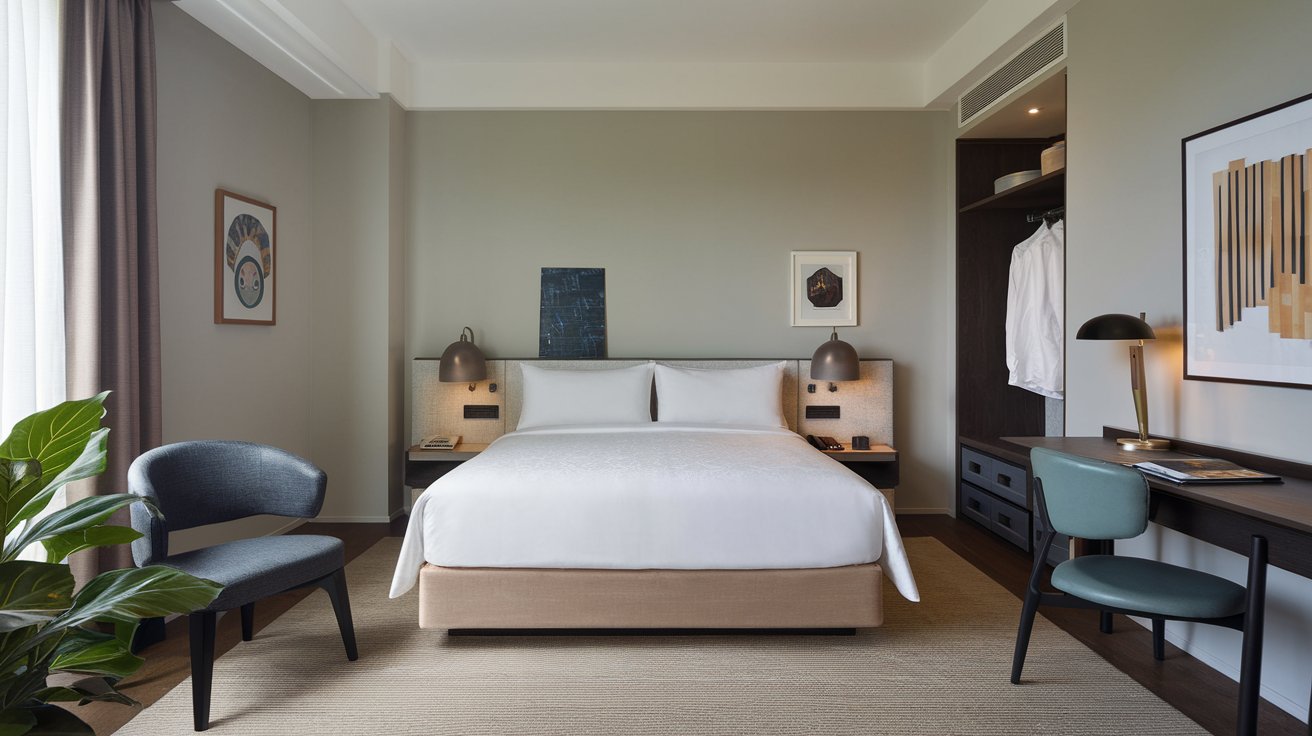
Standard room amenities in hotel properties also encompass functional furniture including a desk or work surface, adequate lighting with multiple sources, full-length mirror, and sufficient electrical outlets with USB charging ports. The average hotel room in the United States now provides at least eight accessible power outlets, reflecting the reality that guests travel with multiple electronic devices. Storage solutions like closets with hangers, luggage racks, and drawer space complete the essential furniture requirements.
Comfortable Sleeping Essentials
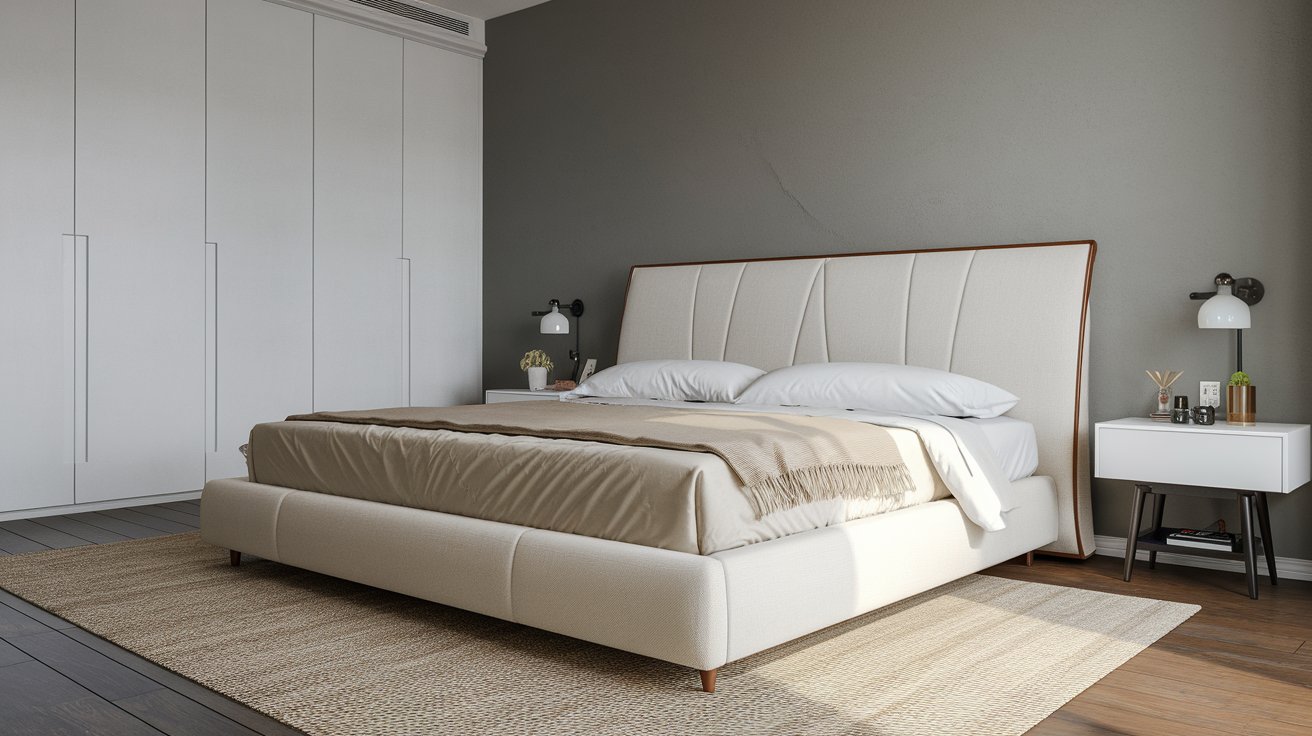
The sleeping experience represents the most critical aspect of hotel guest room amenities, directly impacting guest satisfaction scores and online reviews. Premium sleep quality drives repeat bookings, with 78% of United States guests stating they would return to hotels offering exceptional bedding comfort.
Premium Mattress and Bedding Foundation
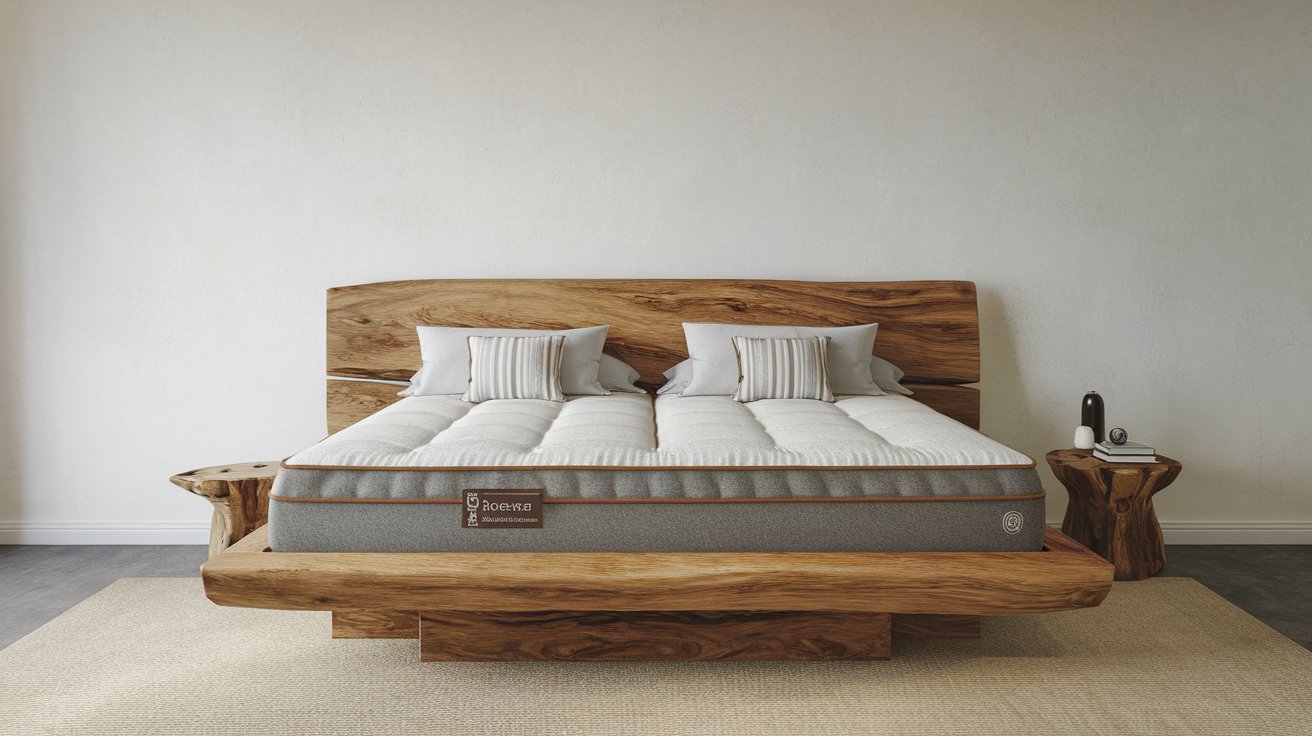
A comfortable mattress serves as the cornerstone of guest satisfaction, with leading hotels investing between $800 and $2,500 per mattress unit in 2026. Medium-firm mattresses with memory foam or hybrid coil systems dominate preferences, accommodating diverse sleeping positions. The standard king-size mattress measures 76 x 80 inches, while queens measure 60 x 80 inches in United States properties. Mattress protectors with waterproof, breathable materials extend lifespan while maintaining hygiene standards required by health departments.
Thread count matters significantly for soft sheets, with optimal ranges between 300-500 threads per inch using Egyptian cotton or high-quality microfiber blends. Hotels refresh sheet sets every 18-24 months to maintain that crisp, luxurious feel guests associate with quality accommodations. Fitted sheets with deep pockets accommodate thicker mattresses, while flat sheets provide layering options for temperature regulation throughout the night.
Pillow Selection and Duvet Quality
Offering different varieties of sleeping pillows addresses individual guest preferences that significantly impact sleep quality. The standard pillow menu includes firm support pillows for back sleepers, medium-density options for side sleepers, and soft pillows for stomach sleepers. Forward-thinking hotels provide hypoallergenic alternatives, memory foam cervical support pillows, and body pillows upon request. Research shows 64% of guests appreciate having pillow choice without needing to call housekeeping.
A plush duvet with appropriate tog rating balances warmth and breathability across seasons. United States hotels typically stock 10.5 tog duvets for year-round use, supplemented with lightweight coverlets for summer months. Premium down-alternative fills satisfy both luxury expectations and allergy concerns, while duvet covers with 400-thread-count cotton ensure easy laundering while maintaining aesthetic appeal. The duvet should drape generously over bed edges, creating that inviting, cloud-like appearance guests photograph for social media.
Temperature Control and Climate Comfort
Effective temperature control systems rank among the top three most important amenities according to 2026 guest satisfaction surveys conducted across United States hotels. Individual room thermostats with both heating and air conditioning capabilities allow guests to customize their environment, with optimal room temperature preferences ranging from 68-72°F for most travelers.
Smart thermostats with programmable settings and mobile app integration have become standard in four-star properties and above, offering energy efficiency while maintaining guest comfort. These systems learn guest preferences and adjust automatically, reducing energy consumption by up to 30% compared to traditional HVAC controls. Quiet operation is essential, with noise levels below 40 decibels required to prevent sleep disruption.
Supplemental Temperature Regulation Options
Providing an extra blanket stored in the closet or drawer demonstrates thoughtful hospitality that guests genuinely appreciate. Temperature preferences vary widely among individuals, and having supplemental bedding available without calling the front desk enhances guest autonomy. Lightweight thermal blankets work well, as they provide warmth without excessive bulk or weight, making them easy for guests to add or remove throughout the night.
A ceiling fan or box fan offers both temperature regulation and white noise benefits that many guests find essential for quality sleep. Ceiling fans with reverse capability provide year-round utility, circulating cool air in summer and redistributing heat in winter. Portable box fans or tower fans positioned strategically in rooms without ceiling fans serve as effective alternatives, with quiet operation models rated below 50 decibels on high settings. Approximately 43% of United States guests use supplemental fans regardless of air conditioning availability, primarily for air circulation and ambient noise.
Fully Equipped Nightstand Essentials
Nightstands serve as command centers for guest comfort, requiring thoughtful configuration of hotel guest room amenities within arm’s reach of the bed. Each side of the bed should feature identical nightstand setups, accommodating couples with different needs and preferences. The surface should measure at least 18 x 18 inches, providing adequate space for personal items, beverages, and provided amenities.
Reading lights with adjustable brightness mounted on walls or integrated into headboards prevent disturbing sleeping partners while providing adequate illumination for bedtime reading. USB charging ports and traditional electrical outlets built into nightstands eliminate fumbling behind furniture, with dual USB-A and USB-C ports accommodating all device types in 2026. Drawer space for storing valuables and personal items adds convenience guests appreciate during multi-night stays.
Alarm Clock Technology and Features
While smartphones dominate timekeeping, a dedicated alarm clock remains a valued amenity, particularly for business travelers who prefer separation between work devices and sleep spaces. Modern hotel alarm clocks feature large LED displays with adjustable brightness, ensuring visibility without creating excessive light pollution at night. Bluetooth connectivity allows guests to stream audio without tangled cords, while battery backup prevents time loss during power interruptions.
The optimal placement positions the clock face at 45-degree angle visibility from both lying and sitting positions on the bed. Multiple alarm programming capabilities accommodate early departures, and intuitive controls prevent the frustration commonly associated with complex hotel alarm systems. Approximately 56% of business travelers still use hotel alarm clocks as backup to smartphone alarms, reflecting concerns about phone battery life and reliability.
Sound Machines and Sleep Environment Control
A sound machine has transitioned from luxury amenity to expected standard in quality hotel rooms, addressing the primary complaint of noise disruption affecting 68% of United States hotel guests. White noise, pink noise, and nature sound options mask environmental disturbances from hallways, adjacent rooms, and exterior sources. Portable units with continuous play capability ensure uninterrupted operation throughout the night without automatic shutoff features that startle guests awake.
Premium sound machines offer customizable volume control, timer options, and variety in sound selection including rainfall, ocean waves, and fan simulations. Integration with smart room systems allows guests to control sound machines through voice commands or mobile apps. Hotels in urban environments with high ambient noise particularly benefit from providing these devices, with guest satisfaction scores improving by an average of 23% when sound masking amenities are available.
Bathroom Amenities and Personal Care Items
Bathroom amenities in a guest room significantly influence perceived value and cleanliness standards that dominate online reviews. The minimum standard includes individually wrapped soap, shampoo, conditioner, body lotion, and shower gel in pump dispensers or single-use containers. Luxury properties provide premium branded toiletries from recognized skincare lines, with sustainable refillable dispenser systems gaining popularity for environmental consciousness.
Towel packages should include bath towels, hand towels, and washcloths in sets of two per registered guest, plus bath mats for safety. High-quality cotton towels with 600-700 GSM (grams per square meter) provide absorbency and luxurious feel that guests associate with upscale accommodations. Additional amenities like makeup remover towels, shower caps, cotton swabs, and dental kits demonstrate attention to detail that elevates guest experience beyond basic expectations.
4-Star Hotel Room Amenities Standards
The 4-star hotel room amenities list expands beyond basics to include enhanced comfort features that justify premium pricing in the competitive United States hospitality market. These properties typically offer robes and slippers, premium coffee makers with specialty beverage options, mini-refrigerators, safes large enough for laptops, and upgraded entertainment systems with streaming capabilities. Daily housekeeping with turndown service, upgraded bathroom fixtures, and enhanced water pressure meet elevated guest expectations.
Technology integration distinguishes four-star properties, with smart TVs offering personalized streaming, wireless charging pads on nightstands, and automated lighting controls. Workspaces feature ergonomic desk chairs, task lighting, and multiple monitor connectivity for remote workers. The average four-star hotel invests $8,500-$12,000 per room in amenities and furnishings, creating environments where guests comfortably extend stays for both business and leisure purposes.
5-Star Luxury Hotel Guest Room Amenities
The 5-star hotel room amenities list represents the pinnacle of hospitality excellence, where every detail receives meticulous attention and customization. These properties provide Nespresso or high-end coffee systems, curated minibars with premium selections, pillow menus featuring eight or more options, and luxury bath products from prestigious brands like Hermès, Bulgari, or Diptyque. Technology reaches unprecedented levels with tablet-controlled room systems, motorized curtains and blinds, and integrated smart home features.
Luxury hotel guest room amenities extend to personalized welcome amenities based on guest preferences stored in property management systems, fresh flowers replaced daily, premium linens changed twice daily, and dedicated butler service for suite categories. Bathrooms feature soaking tubs, separate rain showers, heated floors, and towel warmers. The investment per room in five-star properties typically exceeds $25,000, with some flagship suites surpassing $100,000 in amenities and custom furnishings. These properties maintain staff-to-guest ratios of 2:1 or higher, ensuring immediate response to any amenity request.
Innovative Hotel Guest Room Amenities Ideas
Forward-thinking hotel guest room amenities ideas for 2026 focus on wellness, sustainability, and personalization. Circadian lighting systems that automatically adjust color temperature throughout the day support natural sleep-wake cycles, improving guest energy and mood. Air purification systems with HEPA filtration address health-conscious travelers’ concerns, particularly important given increased awareness of indoor air quality following the pandemic years.
Fitness equipment in-room, including yoga mats, resistance bands, and streaming fitness class access, accommodates guests who prefer private workouts over gym facilities. Smart mirrors with virtual concierge services provide information, entertainment, and communication without occupying desk space. Sustainability-focused amenities like filtered water stations eliminating plastic bottles, energy monitoring displays encouraging conservation, and locally sourced, organic minibar items appeal to environmentally conscious travelers who represent 61% of United States hotel guests in 2026.
The 10/5 Rule and Guest Service Excellence
Understanding what is the 10/5 rule in hotels connects directly to amenity effectiveness, as service quality amplifies physical offerings. The 10/5 rule dictates that staff acknowledge guests with eye contact and smile at 10 feet distance, then offer verbal greeting at 5 feet. This hospitality principle creates welcoming environments where guests feel comfortable requesting additional amenities or reporting concerns about room features.
Implementing the 10/5 rule increases amenity utilization by 34% because guests feel empowered to communicate needs rather than silently tolerating deficiencies. Staff trained in this approach proactively identify opportunities to enhance stays through amenity offerings, whether suggesting pillow alternatives for guests adjusting bedding, offering fans to those commenting on temperature, or providing sound machines to guests mentioning noise concerns. The rule transforms transactional relationships into personalized service experiences that differentiate properties in competitive markets.
Technology-Enhanced Room Amenities
Technology integration defines modern hotel guest room amenities, with smart room controls becoming standard rather than luxury features. Voice-activated assistants compatible with popular platforms allow guests to control lighting, temperature, entertainment, and window treatments through natural language commands. These systems integrate with guest preference profiles, automatically configuring room settings upon check-in based on previous stays or pre-arrival selections made through mobile apps.
High-speed Wi-Fi has evolved from amenity to utility, with minimum speeds of 100 Mbps required for standard rooms and 500 Mbps for premium categories supporting multiple device streaming and video conferencing. Wireless presentation systems eliminate HDMI cables, allowing guests to mirror screens seamlessly. Charging solutions have expanded beyond USB ports to include wireless charging surfaces integrated into nightstands, desks, and even lamps, with some properties installing whole-room wireless charging technology that powers devices anywhere within the space.
Food and Beverage Room Amenities
In-room food and beverage amenities range from basic coffee makers to fully equipped kitchenettes depending on property category and target market. Standard offerings include coffee makers with complimentary coffee, tea selections with electric kettles, and mini-refrigerators in categories above economy. Extended-stay properties provide microwaves, dishware, cutlery, and basic cookware, transforming rooms into functional temporary residences.
The minibar has evolved significantly, with smart refrigerators using weight sensors for automatic billing, healthy snack options replacing traditional candy bars, and local artisanal products showcasing regional specialties. Some properties have replaced traditional minibars with curated pantry boxes offering premium snacks at reasonable prices, addressing guest complaints about excessive minibar costs while maintaining revenue streams. Complimentary water bottles, though standard, are transitioning to filtered water stations or glass bottles with in-room filtration systems as sustainability initiatives gain importance.
Safety and Security Amenities
Safety features constitute essential hotel guest room amenities that operate largely invisible until needed, yet their presence dramatically affects guest confidence and property liability. Electronic door locks with mobile key compatibility provide keyless entry convenience while maintaining security through encrypted access codes that expire at checkout. Deadbolts, security chains, and viewfinders offer additional layers of protection guests expect as standard features.
In-room safes sized to accommodate laptops, tablets, and valuables have become mandatory in upscale properties, with 89% of business travelers citing safes as essential amenities. Smoke detectors, carbon monoxide alarms, and clearly marked emergency evacuation plans meet legal requirements while demonstrating duty of care. Some properties now include personal emergency devices guests can carry throughout the property, providing immediate connection to security services. Well-lit pathways to emergency exits, non-slip bathroom surfaces, and grab bars in showers reduce accident liability while supporting guests with mobility considerations.
Related video about hotel guest room amenities
This video complements the article information with a practical visual demonstration.
Frequently Asked Questions
What are the amenities in a guest room?
Guest room amenities include essential items for comfort and functionality such as quality bedding with mattress, sheets, pillows, and duvet, climate control systems, Wi-Fi connectivity, television, desk with lighting, bathroom toiletries, towels, and adequate storage. Standard rooms provide these basics, while upscale properties add premium coffee makers, robes, safes, mini-refrigerators, and enhanced technology features. The specific amenities vary by hotel classification, with luxury properties offering extensive personalization and premium branded items that significantly exceed basic accommodation standards.
What amenities to put in a guest room?
Essential amenities to put in a guest room include a comfortable mattress with quality bedding, temperature control options with thermostat access, bedside lighting with USB charging ports, alarm clock, adequate storage with hangers, full-length mirror, and blackout curtains. Additional valuable items include extra blankets, multiple pillow types, sound machine or fan for white noise, desk workspace with task lighting, and bathroom essentials including quality towels and toiletries. Consider guest preferences by offering amenity variety rather than assuming one-size-fits-all solutions, particularly for items affecting sleep quality and personal comfort.
What are the standard amenities in a hotel room?
Standard hotel room amenities in 2026 include high-speed Wi-Fi, climate control with individual thermostat, television with cable or streaming capabilities, desk or work surface, adequate lighting, telephone, alarm clock, iron with ironing board, and hair dryer. Bathroom standards include shower or tub, towel sets, soap, shampoo, and conditioner. Most properties provide coffee makers, mini-refrigerators in upper categories, safes for valuables, blackout curtains, and multiple electrical outlets with USB ports. These baseline amenities represent minimum guest expectations across the United States hospitality industry regardless of specific property classification.
What is the 10/5 rule in hotels?
The 10/5 rule in hotels is a customer service principle where staff acknowledge guests at 10 feet distance with eye contact and a smile, then offer verbal greeting at 5 feet proximity. This hospitality standard creates welcoming environments that encourage guest communication about needs and concerns, including amenity requests. The rule enhances the effectiveness of physical room amenities by establishing approachable service culture where guests feel comfortable asking for additional items like extra pillows, fans, or special accommodations. Properties implementing the 10/5 rule consistently achieve higher guest satisfaction scores and increased positive reviews.
How do 5-star hotel amenities differ from 4-star properties?
Five-star hotel amenities exceed 4-star offerings through luxury branded toiletries from designers like Hermès or Bulgari, extensive pillow menus with eight-plus options, premium Nespresso systems, personalized minibar selections, and twice-daily housekeeping with turndown service. Technology advances include tablet-controlled room systems, motorized window treatments, and integrated smart home features. Five-star properties provide robes, slippers, premium bath products, soaking tubs with separate rain showers, and often butler service for suites. The investment per room typically exceeds $25,000 compared to $8,500-$12,000 for four-star properties, with staff-to-guest ratios of 2:1 enabling immediate response to any amenity request or customization need.
What innovative hotel amenities are trending in 2026?
Innovative hotel amenities trending in 2026 include circadian lighting systems that adjust color temperature to support natural sleep cycles, air purification with HEPA filtration addressing health-conscious concerns, and in-room fitness equipment with streaming class access. Smart mirrors provide virtual concierge services without occupying space, while sustainability features like filtered water stations eliminate plastic bottles. Wireless charging technology integrated throughout rooms powers devices anywhere in the space. Wellness-focused offerings include aromatherapy systems, meditation guides, and noise-canceling window technology. These innovations respond to guest priorities of health, sustainability, and personalization while differentiating properties in competitive markets.
| Amenity Category | Essential Items | Guest Satisfaction Impact |
|---|---|---|
| Sleep Quality | Premium mattress, multiple pillow options, quality linens, blackout curtains, sound machine | 78% of guests prioritize sleep comfort for repeat bookings |
| Temperature Control | Individual thermostat, extra blanket, ceiling or box fan, climate zones | Ranks in top 3 most important amenities for satisfaction |
| Technology | High-speed Wi-Fi (100+ Mbps), USB charging ports, smart TV, wireless charging | 92% expect seamless connectivity as baseline requirement |
| Bathroom | Quality toiletries, plush towels (600-700 GSM), hair dryer, magnifying mirror | Directly influences cleanliness perception in reviews |
| Workspace | Ergonomic desk chair, task lighting, multiple outlets, adequate surface area | Essential for 67% of business travelers and remote workers |
| Safety & Security | Electronic locks, laptop-sized safe, smoke detectors, emergency lighting | Builds guest confidence and reduces property liability |