A love hotel is a specialized type of short-stay accommodation designed specifically for couples seeking privacy and intimacy. Originating in Japan in the 1960s, these establishments offer rooms rented by the hour or overnight, featuring distinctive amenities like themed décor, private entrances, and discretionary check-in systems. While love hotels are commonplace in East Asian countries, their presence in the United States remains limited, with only a handful of similar establishments operating under different business models as of 2026.
Understanding the Love Hotel Concept
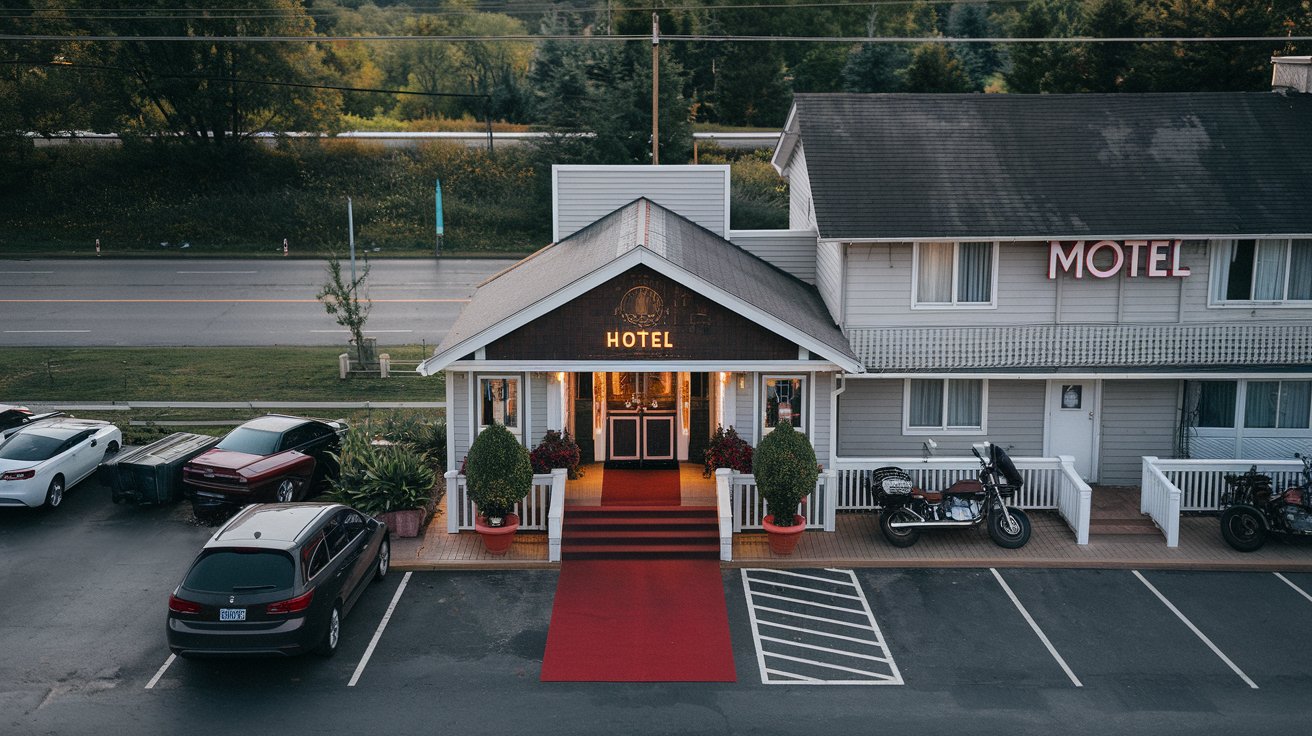
The term love hotel refers to a category of short-stay lodging facilities that prioritize guest privacy and cater specifically to couples. Unlike traditional hotels that focus on tourist accommodations or business travelers, love hotels serve a distinct purpose in providing private spaces for romantic encounters. These establishments typically feature unique architectural designs, often with garish or thematic exteriors that make them easily identifiable in urban landscapes.
The business model of a love hotel centers on hourly rentals, typically offering two pricing structures: a short stay lasting 2-3 hours during daytime, and an overnight rest period from late evening until morning. This flexibility makes them attractive to various demographics, from married couples seeking privacy away from children to young adults living with parents or roommates. The meaning of love hotels extends beyond simple accommodation, representing a cultural approach to privacy and intimacy that differs significantly from Western hospitality traditions.
Historical Origins and Global Spread
The first love hotels in Japan emerged during the country’s rapid economic growth period in the 1960s, addressing a specific social need. In densely populated Japanese cities where multi-generational households were common and homes lacked privacy, these establishments filled a crucial gap. The Japanese term ‘rabu hoteru’ became synonymous with discreet romantic getaways, and by the 1980s, the industry had evolved into a multi-billion dollar business with over 30,000 establishments nationwide.
Throughout the 1980s and 1990s, the love hotel concept spread across East Asia, with variations appearing in South Korea, Taiwan, Hong Kong, and Thailand. Each country adapted the model to local cultural norms and legal frameworks. By 2026, the global market for short-stay romantic accommodations has diversified significantly, with modern iterations incorporating technology like tablet-based room selection, automated check-in kiosks, and smartphone-controlled room features that enhance privacy while reducing human interaction.
Distinctive Features and Amenities
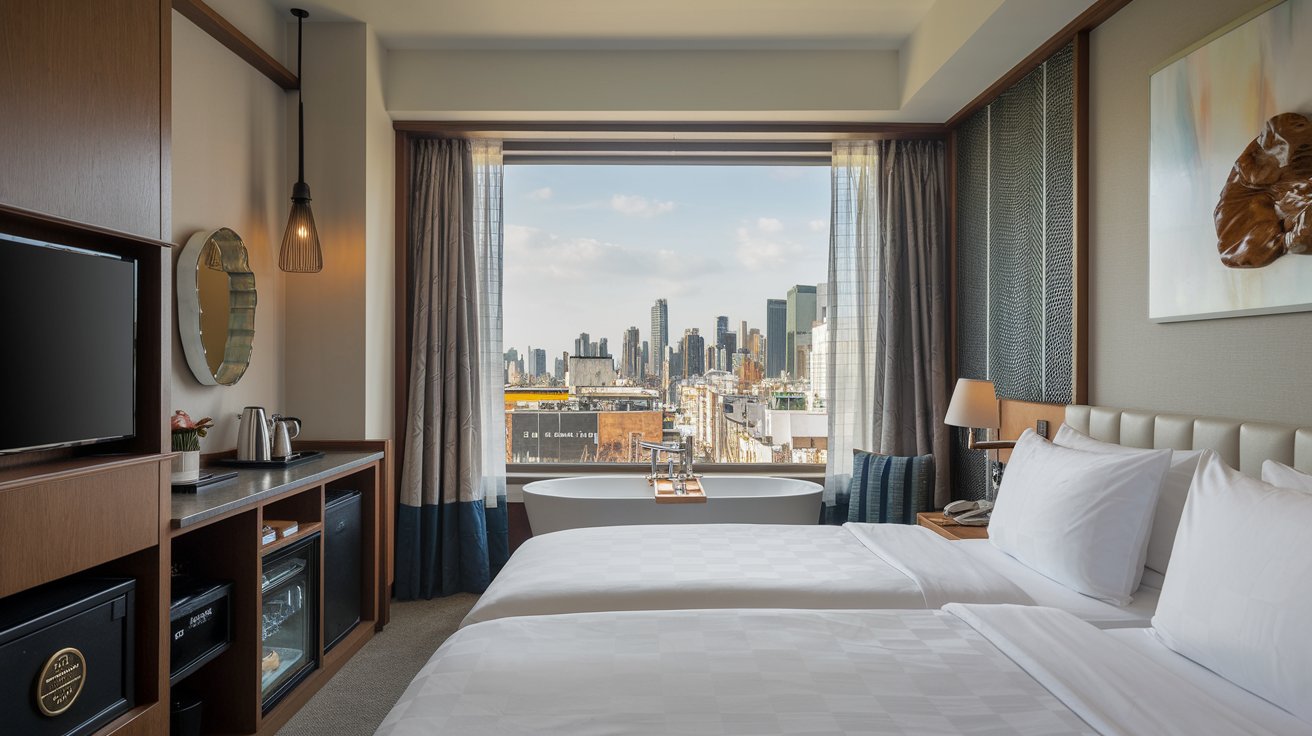
What sets a love hotel apart from conventional lodging are its specialized features designed to maximize privacy and create romantic atmospheres. Rooms typically include oversized beds, mood lighting with adjustable colors, large mirrors including ceiling-mounted options, and premium sound systems. Many establishments offer themed love hotel rooms ranging from classic designs like medieval castles and tropical paradises to contemporary concepts like futuristic spaceships or luxury penthouse suites.
Privacy measures constitute the defining characteristic of authentic love hotels. Most facilities employ automated or semi-automated check-in systems where guests select rooms from illuminated panels showing available options without face-to-face staff interaction. Private garages attached to individual rooms allow guests to park vehicles discreetly. Payment systems often use vending machine-style interfaces or pneumatic tubes, maintaining anonymity throughout the stay. These privacy-focused designs address cultural preferences in Asian markets where discretion regarding romantic encounters remains socially valued.
How Love Hotels Operate
The operational model of a love hotel differs substantially from traditional hospitality businesses. Upon arrival, guests encounter a selection panel displaying available rooms through photographs or video previews, with illuminated buttons indicating vacancy. Once a room is chosen and payment processed through automated systems, guests receive a key or electronic access code. The entire check-in process typically takes less than two minutes without requiring identification or verbal communication with staff members.
Pricing structures in love hotels vary by time of day and duration. Rest periods during daytime hours typically cost between $30-$80 for 2-3 hours, while overnight stays ranging from 10 PM to 10 AM generally run $70-$200 depending on room category and location. Premium themed love hotel suites can command prices exceeding $300 per night. Many establishments implement dynamic pricing algorithms in 2026, adjusting rates based on demand patterns, local events, and occupancy levels similar to modern ride-sharing services.
Room Selection and Booking Process
Modern love hotel facilities utilize digital interfaces that display room options with detailed photographs, amenity lists, and real-time pricing. Guests can filter selections by theme, price range, or specific features like jacuzzi tubs or karaoke systems. Once selected, the chosen room is immediately locked from the selection panel to prevent double bookings. Advanced systems in 2026 allow pre-booking through dedicated mobile applications, though walk-in availability remains the primary business model for most hotels in this category.
Check-Out Procedures and Extensions
Check-out at a love hotel maintains the same privacy standards as check-in. Rooms feature internal payment systems, often with telephone or tablet interfaces allowing guests to extend stays without leaving their room. When departing, guests simply place keys in designated drop boxes or leave electronic cards in the room. Automated systems detect departure and initiate cleaning protocols. This streamlined process enables rapid room turnover, with professional cleaning teams often preparing rooms for new guests within 30-45 minutes of vacancy.
Do Love Hotels Exist in the United States?
The question ‘do love hotels exist in the US‘ receives a complicated answer as of 2026. Traditional Japanese-style love hotels remain extremely rare in the United States, with no major chains operating under this specific business model. American zoning laws, hospitality regulations, and cultural attitudes toward sexuality have prevented the widespread adoption of this accommodation type. However, several establishments operate with similar concepts under different branding strategies.
A few boutique hotels in major metropolitan areas like Las Vegas, Los Angeles, and Miami offer hourly rentals and themed suites that approximate the love hotel experience. These facilities typically market themselves as ‘day-use hotels’ or ‘micro-stay accommodations’ to navigate legal and social sensitivities. The dayuse.com platform has popularized hourly hotel bookings across America since 2015, allowing guests to reserve luxury hotel rooms during daytime hours for 2-6 hour periods, though these operate within standard hotels rather than dedicated facilities. By 2026, approximately 200 hotels across the United States participate in hourly rental programs, representing less than 0.4% of the total lodging market.
Cultural Barriers to Love Hotels in America
Several cultural and legal factors explain why love hotels haven’t proliferated in the United States. American cultural attitudes generally maintain less social pressure for privacy regarding adult relationships compared to East Asian societies. The prevalence of single-occupancy living arrangements and automobile culture reduces demand for hourly romantic accommodations. Additionally, American zoning boards often associate hourly rental models with illegal activities, creating regulatory obstacles for developers attempting to establish similar businesses.
Alternative Options for American Couples
Americans seeking private romantic getaways typically utilize different accommodation strategies. Boutique hotels, bed and breakfasts, and dedicated romantic resort properties serve similar purposes without the hourly rental structure. Platforms like Airbnb have enabled couples to book entire apartments or houses for short periods, providing privacy without the social stigma potentially associated with love hotel visits. Some American hotels now offer ‘day escape’ packages specifically marketed toward local couples, providing 4-6 hour access to rooms with late check-in and early check-out times.
Are Love Hotels Legal in America?
The legality question ‘are love hotels legal‘ depends on how these establishments comply with local regulations. Love hotels themselves aren’t explicitly illegal in the United States, but they face significant regulatory challenges. Hourly rental models often trigger scrutiny from municipal authorities concerned about prostitution, with many jurisdictions implementing ordinances that restrict or prohibit lodging facilities from renting rooms for periods under 8-12 hours.
Zoning regulations constitute the primary legal obstacle for potential love hotel operators in America. Most municipalities classify hotels within specific commercial zones with detailed operational requirements. Establishing a facility focused on hourly rentals requires navigating complex approval processes, often facing opposition from community groups and existing businesses. As of 2026, no standardized legal framework exists across the United States for this accommodation type, with regulations varying dramatically between states and even between neighboring cities within the same county.
Regulatory Requirements and Compliance
Any establishment operating similarly to a love hotel in the United States must comply with standard hospitality industry regulations including health codes, fire safety standards, building codes, and business licensing requirements. Additional scrutiny often applies to facilities offering short-term rentals, with many jurisdictions requiring special permits. Operators must maintain detailed guest records, implement security measures, and ensure their business model doesn’t facilitate illegal activities, requirements that conflict with the anonymity traditionally associated with love hotels in Asian markets.
Legal Precedents and Case Studies
Several attempts to establish love hotel style businesses in America have faced legal challenges. In 2018, a proposed ‘day hotel’ in Philadelphia encountered fierce opposition from the city council, ultimately withdrawing their application. However, successful examples exist in tourist-heavy locations where hourly rentals blend with legitimate daytime use cases. Hotels near airports and convention centers increasingly offer day-use rooms marketed toward travelers needing rest between flights or business meetings, inadvertently creating legal frameworks that could accommodate future romantic-focused establishments.
How to Identify a Love Hotel
Understanding how to know if a hotel is a love hotel involves recognizing specific architectural, operational, and marketing characteristics. Authentic love hotels typically feature distinctive exteriors with bold colors, elaborate facades, or thematic designs that clearly differentiate them from conventional accommodations. The entrance design often includes covered or enclosed parking areas attached directly to building entrances, allowing guests to enter without being visible from public streets.
Operational indicators provide the clearest identification method. If an establishment advertises hourly rates, features automated check-in systems without front desk staff, or displays room options through illuminated selection panels in the lobby, it likely operates as a love hotel or similar facility. The absence of amenities common to traditional hotels such as restaurants, business centers, or luggage storage further suggests this specialized purpose. In 2026, online reviews and social media posts frequently mention these distinctive features, making identification relatively straightforward for those searching ‘love hotel near me‘ in regions where they operate.
Love Hotels in Popular Culture and Media
The portrayal of love hotels in global media has significantly influenced Western perceptions of these establishments. Japanese films, anime series, and manga frequently feature love hotel scenes, often emphasizing their role as neutral spaces for character development and intimate conversations beyond purely physical encounters. Notable films like ‘Lost in Translation’ (2003) and ‘Love Hotel’ (2014 documentary) introduced international audiences to these uniquely Japanese institutions.
On Reddit and travel forums, discussions about love hotels generate substantial interest, with posts asking ‘what is a love hotel reddit‘ receiving thousands of comments sharing experiences and curiosities. These digital conversations have demystified love hotels for Western audiences, presenting them less as taboo establishments and more as fascinating cultural artifacts. YouTube travel vloggers regularly create content touring themed love hotel rooms, with some videos garnering millions of views by 2026, contributing to broader cultural understanding and reducing stigma around their existence.
Love Hotels in Tokyo and Major Japanese Cities
When researching ‘what is a love hotel tokyo‘ or ‘what is a love hotel in japan‘, the results showcase the most developed examples of this accommodation type. Tokyo hosts an estimated 2,500-3,000 love hotels as of 2026, concentrated in entertainment districts like Shibuya, Shinjuku, and Ikebukuro. These establishments range from budget facilities charging ¥3,000-5,000 ($20-35 USD) for rest periods to ultra-luxury venues exceeding ¥30,000 ($210 USD) per night featuring celebrity-designed interiors and premium amenities.
Japanese love hotels have evolved significantly to remain competitive in changing market conditions. Modern Tokyo establishments incorporate advanced technology including voice-controlled room systems, virtual reality entertainment options, and smartphone integration for lighting, temperature, and multimedia controls. Some high-end hotels offer concierge services, in-room dining from partnered restaurants, and even couples’ spa treatments, blurring the traditional boundaries between love hotels and luxury boutique accommodations. The industry adaptation demonstrates ongoing relevance despite Japan’s declining birth rates and changing social attitudes toward relationships.
Regional Variations Across Japan
Beyond Tokyo, major Japanese cities feature distinct love hotel cultures. Osaka’s establishments tend toward more flamboyant exteriors and adventurous themes compared to Tokyo’s relatively restrained designs. Kyoto’s love hotels often incorporate traditional Japanese aesthetic elements alongside modern amenities. Smaller cities and rural areas maintain simpler facilities focusing on affordability and practicality rather than elaborate theming, with rest periods often costing 30-40% less than metropolitan equivalents.
Economic Impact and Industry Statistics
The Japanese love hotel industry generates approximately ¥400-500 billion ($2.8-3.5 billion USD) annually as of 2026, employing over 100,000 workers nationwide. Despite facing competition from alternative accommodation options and social changes, the sector maintains stability through diversification strategies. Many operators now market rooms for non-romantic purposes, hosting business meetings, photoshoots, and even remote work sessions during daytime hours when romantic demand remains lower, maximizing facility utilization across different customer segments.
Searching for Love Hotels: Near Me Options
When users search ‘love hotel near me‘ in the United States, results typically return limited options concentrated in specific metropolitan areas. Las Vegas offers the closest American equivalent, with several hotels in the downtown and off-strip areas providing hourly rentals and themed suites. The Artisan Hotel and certain properties along Boulder Highway cater to this market segment, though they don’t fully replicate the Japanese love hotel experience.
In other American cities, finding love hotel style accommodations requires creative searching. Terms like ‘day use hotels’, ‘hourly hotels’, ‘hotels with jacuzzi in room’, or ‘romantic hotel getaways’ yield more relevant results than the direct term ‘love hotel‘. Platforms like DayUse, HotelsByDay, and Recharge offer booking services for short-stay hotel rooms across major cities including New York, Chicago, San Francisco, and Miami. These services primarily target business travelers and tourists needing rest between activities, but effectively serve couples seeking private time without overnight stays. By 2026, approximately 15-20% of bookings through these platforms explicitly serve romantic purposes according to industry analytics.
Future Prospects and Market Trends
The future of love hotels in America remains uncertain but shows some promising developments as of 2026. Changing attitudes toward sexuality, increasing urban density, and growing acceptance of diverse relationship structures may create more favorable conditions for these specialized accommodations. Several hospitality entrepreneurs have announced plans to launch ’boutique privacy hotels’ in Austin, Portland, and Brooklyn, positioning them as wellness-focused couples’ retreats rather than explicitly romantic venues to navigate regulatory and social challenges.
Technological innovations may facilitate the American adaptation of the love hotel concept. Fully automated hotel facilities using artificial intelligence, facial recognition payment systems, and robot cleaning crews could address privacy concerns while maintaining operational efficiency. Some industry analysts predict that by 2030, the United States might host 50-100 dedicated short-stay romantic accommodation facilities, particularly in progressive cities with younger demographic profiles and more liberal regulatory environments. However, significant cultural and legal barriers must be overcome before love hotels achieve mainstream acceptance in American hospitality markets.
Related video about what is a love hotel
This video complements the article information with a practical visual demonstration.
Frequently Asked Questions
What is the meaning of love hotel?
A love hotel is a type of short-stay accommodation designed specifically for couples seeking privacy and romantic intimacy. These establishments typically offer rooms rented by the hour (usually 2-3 hours for ‘rest’ periods) or overnight, featuring distinctive amenities like themed décor, private entrances, automated check-in systems, and discreet payment methods. Originating in Japan during the 1960s, love hotels address cultural needs for privacy in societies where multi-generational households and small living spaces are common. The term encompasses a business model focused on maximizing guest anonymity while providing comfortable, often luxurious spaces for romantic encounters away from home environments.
Do love hotels exist in the United States?
Traditional Japanese-style love hotels are extremely rare in the United States as of 2026, with no major chains operating this specific business model. However, similar concepts exist under different names like ‘day-use hotels’ or ‘micro-stay accommodations’ in cities like Las Vegas, Los Angeles, and Miami. Approximately 200 American hotels offer hourly rental options through platforms like DayUse and HotelsByDay, though these operate within conventional hotel structures rather than dedicated facilities. Cultural attitudes, zoning regulations, and legal concerns about hourly rentals have prevented widespread adoption of the love hotel concept in America, with most couples instead using traditional hotels, boutique accommodations, or short-term rental services for private romantic getaways.
Are love hotels legal in America?
Love hotels are not explicitly illegal in the United States, but they face significant regulatory challenges that prevent their widespread establishment. The primary obstacle involves municipal ordinances that restrict or prohibit hotels from renting rooms for periods under 8-12 hours, regulations designed to prevent illegal activities. Zoning laws also present barriers, as many jurisdictions classify hourly rental facilities differently from traditional hotels, requiring special permits and facing community opposition. Any facility operating similarly to a love hotel must comply with standard hospitality regulations including health codes, fire safety, business licensing, and guest registration requirements. As of 2026, no standardized legal framework exists across the country, with regulations varying dramatically between states and cities, making the business model legally complex but not inherently unlawful.
How do you know if a hotel is a love hotel?
You can identify a love hotel through several distinctive characteristics. Architectural features include bold, colorful exteriors with elaborate thematic designs, covered parking areas attached to private entrances, and prominent room rate displays visible from the street. Operational indicators are most telling: automated check-in systems without traditional front desks, illuminated room selection panels showing available options with photographs, hourly rental pricing structures (typically 2-3 hour ‘rest’ periods), and minimal staff interaction throughout the stay process. Love hotels typically lack standard hotel amenities like restaurants, business centers, or luggage storage. The marketing language often emphasizes privacy, discretion, and romantic themes. In 2026, online reviews and search results explicitly mention these features, making identification straightforward when searching for love hotels in regions where they operate, primarily in Japan and other East Asian countries.
What are themed love hotels and what themes are popular?
Themed love hotels are establishments offering rooms decorated around specific concepts or fantasies, ranging from tasteful to extravagant. Popular themes include medieval castles with stone walls and ornate furniture, tropical paradises featuring bamboo accents and artificial beaches, futuristic spaceships with LED lighting and metallic surfaces, traditional Japanese settings with tatami mats and shoji screens, and luxury penthouse suites mimicking upscale urban apartments. More adventurous themes include Hello Kitty rooms, S&M dungeons, subway car replicas, and even prison cells. As of 2026, technology-integrated themes are increasingly popular, featuring smart home automation, virtual reality entertainment systems, and interactive lighting displays. Premium themed love hotel rooms in Tokyo can cost $200-400 per stay, with some ultra-luxury options exceeding $500. The theming serves to enhance romantic atmosphere and provide memorable experiences beyond simple accommodation.
How much do love hotels typically cost?
Love hotel pricing varies significantly by location, time, and room category. In Japan, the world’s primary love hotel market, daytime ‘rest’ periods (2-3 hours) typically cost ¥3,000-8,000 ($20-55 USD), while overnight stays range from ¥5,000-15,000 ($35-105 USD) for standard rooms. Premium themed love hotel suites can exceed ¥30,000 ($210 USD) per night in major cities like Tokyo. Budget facilities in suburban areas may offer rest periods for as little as ¥2,000 ($14 USD). In the limited American equivalents, hourly rates through day-use hotel platforms range from $30-150 for 2-6 hour periods depending on the underlying hotel’s star rating and location. Las Vegas properties offering similar services charge $40-100 for short stays. By 2026, many establishments implement dynamic pricing algorithms that adjust rates based on demand, time of day, and occupancy levels, similar to airline ticket pricing models.
| Key Aspect | Essential Details | 2026 Status |
|---|---|---|
| Definition | Short-stay hotels for couples, featuring hourly rentals and privacy-focused design | Primarily concentrated in Japan and East Asia |
| US Availability | Extremely limited; approximately 200 hotels offer hourly rentals under different branding | Less than 0.4% of American lodging market |
| Legal Status | Not illegal but faces significant regulatory challenges and zoning restrictions | No standardized framework across United States |
| Typical Cost | Rest period: $20-55 USD (2-3 hours); Overnight: $35-210 USD depending on location | Premium themed rooms can exceed $300-500 |
| Key Features | Themed rooms, automated check-in, private parking, discretionary payment systems | Modern facilities integrate AI and smart technology |
| Future Outlook | Potential growth in progressive US cities with adapted business models | 50-100 dedicated facilities predicted by 2030 |