When booking a hotel stay, understanding meal plan options can significantly impact your travel budget and vacation experience. Half board in a hotel is a popular accommodation package that includes your room, breakfast, and one additional meal per day, typically dinner. This dining arrangement offers travelers flexibility while providing guaranteed meals, making it an increasingly popular choice among American vacationers in 2026, with approximately 34% of US leisure travelers opting for partial meal plans over no-meal or all-inclusive options.
What Is Half Board in a Hotel: Definition and Components
Half board, also known as Modified American Plan (MAP) in some US hotels, is a hotel rate that bundles your accommodation with two meals daily. The standard half board package includes a full breakfast and either lunch or dinner, with dinner being the most common second meal offered. This meal plan differs from room-only rates and provides a middle ground between basic accommodations and comprehensive all-inclusive packages.
In the United States hospitality industry, half board arrangements typically cover the cost of food only, with beverages often requiring separate payment. Most hotels include non-alcoholic drinks like water, coffee, and tea during breakfast, but charge separately for alcoholic beverages, premium coffees, and soft drinks during dinner. According to 2026 data from the American Hotel and Lodging Association, approximately 68% of hotels offering half board require guests to dine at specific times, usually between 6:00 AM to 10:30 AM for breakfast and 6:00 PM to 9:30 PM for dinner.
What’s Included in Half Board Packages
Understanding exactly what is included in half board helps travelers make informed booking decisions and budget appropriately for their stay. The specific inclusions vary by property, but standard components remain consistent across most US hotels in 2026.
Breakfast Inclusions in Half Board Plans
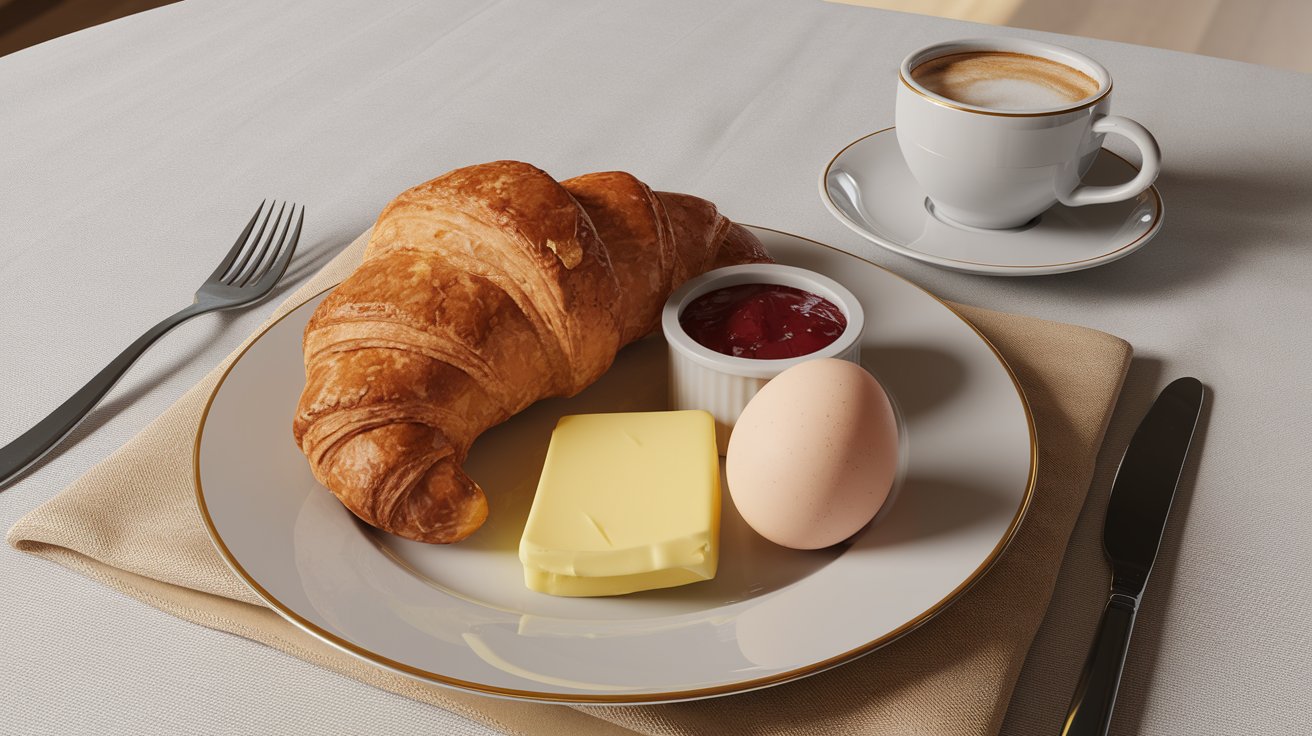
The breakfast component of half board typically offers the most comprehensive meal of the package. Most US hotels provide buffet-style breakfast with hot and cold options including eggs, bacon, sausage, pancakes, waffles, fresh fruit, yogurt, cereals, pastries, and bread. Continental options feature prominently with bagels, muffins, and croissants reflecting American breakfast preferences. Beverages during breakfast usually include complimentary coffee, tea, orange juice, and milk. Higher-end properties may offer made-to-order omelets, fresh-pressed juices, and specialty items like smoked salmon or avocado toast. In 2026, approximately 89% of US hotels with half board provide buffet breakfast, while 11% offer à la carte breakfast with menu limitations.
Dinner Components and Service Styles
The dinner portion of half board varies more significantly between properties than breakfast. Many resort hotels offer buffet dinners with multiple stations featuring salads, entrees, sides, and desserts, while boutique hotels and smaller properties typically provide set menus or limited à la carte options. Standard half board dinner often includes a choice of appetizer or soup, main course selection from 3-5 options, and dessert. Portion sizes are predetermined, and premium menu items like lobster, premium steaks, or specialty dishes may incur additional charges called supplements. According to 2026 industry surveys, 73% of US travelers on half board plans report satisfaction with dinner variety, though 41% purchase additional snacks or light meals during their stay.
Half Board vs Full Board: Understanding the Key Differences
The primary difference between half board and full board lies in the number of meals included and the overall value proposition for different travel styles. These distinctions significantly affect both daily costs and vacation flexibility.
Meal Coverage Comparison
Full board packages include three meals daily: breakfast, lunch, and dinner, providing comprehensive meal coverage throughout your stay. In contrast, half board covers only breakfast and dinner, leaving lunch as an out-of-pocket expense or opportunity for exploration. This distinction makes full board ideal for resort vacations where guests prefer staying on property, while half board suits travelers who enjoy exploring local restaurants or have daytime activities that include meals. In 2026, the average price difference between half board and full board in US hotels ranges from $35 to $75 per person per day, with luxury resorts showing higher differentials up to $120 daily.
Flexibility and Cost Considerations
When evaluating half board vs full board value, consider your vacation style and daily plans. Half board offers greater flexibility for travelers who want to experience local cuisine at lunch or have scheduled tours that include midday meals. Full board provides budget predictability and convenience for families with children or travelers seeking relaxation without leaving the resort. Financial analysis from 2026 travel data shows that active tourists who eat only 60% of included full board lunches actually overpay by an average of $210 per week compared to selecting half board initially. However, families with teenagers may find full board more economical, as adolescents consume an average of 2.8 meals beyond breakfast and dinner daily.
Half Board vs All-Inclusive: Which Offers Better Value
The comparison between half board and all-inclusive packages represents opposite ends of the hotel meal plan spectrum, each serving distinct traveler preferences and budgets. Understanding these differences helps optimize vacation spending and satisfaction.
What All-Inclusive Covers Beyond Half Board
All-inclusive packages provide unlimited meals, snacks, and beverages including alcoholic drinks throughout the day at multiple on-site restaurants and bars. Beyond the two meals included in half board, all-inclusive adds lunch, afternoon snacks, late-night food options, poolside service, and typically unlimited alcoholic beverages from standard brands. Premium all-inclusive properties in the US offer specialty restaurants, top-shelf liquor, room service, and activities like water sports or fitness classes. In 2026, the average all-inclusive package costs $180-$420 per person daily at US resorts, compared to $65-$140 for half board, representing a 175% average price increase for the additional amenities and unlimited consumption model.
Best Scenarios for Choosing Half Board Over All-Inclusive
Travelers benefit most from half board instead of all-inclusive when they plan to explore destinations beyond the hotel, prefer dining at local restaurants, limit alcohol consumption, or stay at properties where all-inclusive options are disproportionately expensive. Active vacationers who spend daytime sightseeing, attending business meetings, or participating in off-site activities rarely consume enough all-inclusive amenities to justify the cost premium. Financial breakeven analysis indicates that guests must consume at least 4-5 alcoholic drinks daily plus lunch and snacks to match all-inclusive value against half board pricing. For 2026 US travelers, half board proves more economical for stays under 4 nights, business trips, city hotels, and vacations focused on local cultural experiences rather than resort-based relaxation.
Does Half Board Include Drinks: Beverage Policies Explained
One of the most common questions about half board beverage inclusions concerns what drinks are complimentary and which require payment. Understanding these policies prevents unexpected charges and helps budget accurately for your stay.
In standard half board packages at US hotels, breakfast typically includes complimentary coffee, tea, water, and basic juices like orange or apple. Dinner beverage policies vary significantly by property, with most hotels excluding drinks entirely from half board dinner service, requiring guests to purchase beverages à la carte. Approximately 78% of US hotels with half board charge separately for all dinner beverages including soft drinks, wine, beer, and cocktails. Some upscale properties include house wine or one soft drink per person at dinner, but premium beverages always incur additional costs. Water is the notable exception, with 92% of properties providing complimentary tap or filtered water during dinner. In 2026, average beverage costs for half board guests ordering drinks with dinner range from $8-$15 per person for soft drinks and $25-$65 for alcoholic beverages.
Is Half Board Worth It: Cost-Benefit Analysis for 2026
Determining whether half board represents good value depends on multiple factors including hotel location, local restaurant prices, your eating habits, and travel itinerary. A thorough cost comparison reveals when this meal plan makes financial sense.
To evaluate if half board is worth going for, calculate the meal plan upgrade cost versus purchasing the same meals separately. In 2026, the average half board supplement ranges from $45-$95 per adult daily at mid-range US hotels, and $80-$160 at luxury properties. Comparable à la carte breakfast costs $15-$32, while dinner averages $35-$85 per person at hotel restaurants. Based purely on menu pricing, half board provides savings of $5-$32 daily per person when you actually consume both included meals. However, the value calculation changes dramatically if you skip meals, prefer dining off-property, or have dietary restrictions limiting menu options. Consumer behavior studies show that 37% of half board guests skip at least one included dinner during week-long stays, effectively reducing their realized savings. The meal plan proves most worthwhile for resort stays where you’ll eat on-site regardless, properties in expensive destinations where restaurant alternatives are limited, and family vacations where meal predictability and kid-friendly options provide non-financial value beyond pure cost savings.
Can You Eat Any Time with Half Board Plans
A common misconception about half board meal timing suggests guests can dine whenever convenient, but reality involves specific service windows and scheduling requirements that vary by property.
Half board does not mean you can eat any time you want; instead, hotels designate specific meal periods for breakfast and dinner service. Breakfast windows typically span 3-4.5 hours, commonly 6:30 AM to 10:30 AM on weekdays and 7:00 AM to 11:00 AM on weekends, while dinner service usually runs 6:00 PM to 9:00 PM or 9:30 PM. Missing these designated times means forfeiting your included meal without refund or alternative compensation at most properties. Some luxury hotels offer flexibility with à la carte half board, allowing dining during extended restaurant hours, but this represents only 15% of US properties offering half board in 2026. Resort hotels may provide multiple restaurant options where you can use your half board allocation, giving venue choice while maintaining time restrictions. Approximately 23% of US hotels with half board require advance dinner reservations, especially during peak seasons, and may impose dress codes for evening dining. Travelers with irregular schedules, early morning departures, or late-night arrivals should verify meal service times before booking half board, as inflexible timing is the most cited dissatisfaction factor in 2026 guest reviews of half board packages.
Types of Hotels and Destinations Best Suited for Half Board
Not all hotel types and destinations offer equal half board value and experience quality. Certain property categories and locations align better with this meal plan structure than others.
Beach resorts, mountain lodges, and remote properties provide the ideal setting for half board packages, as limited nearby dining alternatives make on-site meals more appealing and valuable. Island destinations, national park lodges, and countryside retreats where guests must drive 15+ minutes to reach restaurants see the highest half board adoption rates, with 64% of guests selecting this option in 2026. Conversely, urban hotels in major cities like New York, Los Angeles, Chicago, and San Francisco show lower half board utilization at just 18%, as abundant restaurant options within walking distance reduce the appeal of hotel dining. All-inclusive resorts naturally emphasize comprehensive packages, but properties offering half board as an alternative attract budget-conscious travelers and those seeking local culinary experiences. Boutique hotels and bed-and-breakfast establishments often include breakfast in room rates, making half board supplements more expensive relative to value received. Conference hotels and convention centers offer half board primarily for event attendees with structured schedules, where guaranteed meals align with meeting timetables and eliminate lunch breaks for restaurant hunting.
How to Maximize Value from Your Half Board Package
Strategic approaches to using half board benefits can significantly enhance the value received and overall vacation satisfaction beyond the basic meal inclusions.
Smart Ordering Strategies at Half Board Meals
To maximize half board meal value, select higher-priced menu items you would order à la carte, as the meal plan cost remains fixed regardless of choices. Choose protein-rich breakfast items like eggs, bacon, and smoked salmon over cereals and pastries, as these offer better nutritional value and satiety lasting through lunch. At dinner, select premium main courses such as seafood, steaks, or specialty dishes rather than pasta or chicken, which typically represent lower menu prices. Request larger portions when appropriate, take advantage of buffet offerings by trying multiple items in smaller quantities, and save room for dessert which is included but costs $8-$15 when ordered separately. In 2026, savvy half board guests report average per-meal value optimization of 25-40% by making strategic menu selections compared to choosing lowest-priced options.
Supplementing Half Board with Smart Snack Planning
Since half board leaves lunch uncovered, smart travelers pack portable breakfast items or purchase economical lunch alternatives to bridge the gap without excessive spending. Many hotels allow guests to take fruit, bagels, or muffins from breakfast buffets for later consumption, providing free or low-cost lunch supplements. Alternatively, purchasing groceries at local supermarkets for simple lunches costs $6-$12 compared to $18-$35 for restaurant lunches, generating savings of $84-$161 weekly for couples. Some properties near half board hotels offer lunch specials, happy hour appetizers, or food trucks with meals costing 40-60% less than dinner prices. Travelers can also shift their largest meal to the included dinner, eating lighter lunches that require less expenditure, effectively making the half board dinner their primary caloric intake of the day.
Booking Half Board: Tips and Common Mistakes to Avoid
Successfully booking and using half board packages requires awareness of common pitfalls and industry practices that can affect your experience and budget.
When reserving half board accommodations, always verify exactly which meal is included beyond breakfast, as some properties offer lunch instead of dinner, particularly business hotels. Read cancellation policies specific to meal plan bookings, which may differ from room-only reservations, with 43% of hotels imposing stricter cancellation terms on half board rates in 2026. Compare the half board supplement cost against à la carte menu prices published on the hotel website, calculating breakeven points based on realistic consumption estimates rather than aspirational dining plans. Avoid booking half board for short stays under 2 nights where you’re likely to eat off-property, or for itineraries with full-day tours that include meals. The most common mistake travelers make is purchasing half board for every guest when children might qualify for free or reduced-rate meal plans, or when some party members have dietary restrictions limiting menu options. Always inquire about dining policies for special diets, as hotels with limited menu flexibility may not accommodate vegan, gluten-free, or allergen-free requirements adequately on half board plans. Contact hotels directly rather than booking solely through third-party sites, as properties often offer better half board rates or free upgrades when booking on official websites, with average direct booking savings of 8-15% compared to OTA pricing in 2026.
Half Board for Families: Special Considerations and Benefits
Families traveling with children face unique considerations when evaluating half board suitability, as kids’ eating patterns, picky eating habits, and age-based pricing affect overall value and convenience.
Half board packages for families offer significant advantages including predictable meal costs, elimination of restaurant decision-making stress, and guaranteed kid-friendly food options at hotel dining facilities. Most US hotels provide children’s menus during half board meals featuring familiar items like chicken fingers, pasta, burgers, and pizza that appeal to younger palates. Children’s half board pricing varies by property, with typical structures offering free meals for kids under 5, 50% discounts for ages 6-12, and adult pricing for teenagers 13+. This tiered pricing means a family of four with children aged 4 and 8 might pay only 2.5x adult rates rather than 4x, generating substantial savings averaging $420 weekly in 2026. However, families should consider that children often snack frequently throughout the day, and the gap between breakfast and dinner may require supplemental food purchases. Hotels with half board family packages increasingly offer amenities like afternoon cookies and milk, poolside fruit stations, or included kids’ lunch boxes for beach days, adding value beyond the basic two-meal structure. The convenience factor holds particular value for parents, as 76% of family travelers cite reduced meal planning stress as the primary non-financial benefit of half board arrangements.
Related video about what is half board in a hotel
This video complements the article information with a practical visual demonstration.
Questions & Answers
What is included in half board at a hotel?
Half board at a hotel includes your accommodation, full breakfast, and one additional meal which is typically dinner. Breakfast usually features buffet or continental options with hot and cold items, while dinner may be buffet-style or à la carte with limited menu selections. In most US hotels, beverages are only included with breakfast (coffee, tea, juice, water), while dinner drinks require separate payment. Some properties include house wine or soft drinks with dinner, but this varies by hotel. In 2026, approximately 78% of US hotels with half board charge separately for all dinner beverages including alcoholic and non-alcoholic options.
Is it worth going half board at hotels?
Half board is worth it when you plan to eat most dinners at the hotel, stay at remote or resort locations with limited nearby restaurants, or want predictable meal costs without all-inclusive pricing. The meal plan typically saves $5-$32 per person daily compared to ordering the same meals à la carte. However, it’s not worthwhile for city hotels with abundant restaurant options, short stays under 2 nights, or travelers who prefer dining off-property. In 2026, half board proves most economical for resort vacations lasting 4+ nights where guests consume at least 85% of included meals. Calculate the supplement cost versus likely dining behavior before committing.
What is the difference between half and full board?
The primary difference between half board and full board is that half board includes breakfast and one meal (usually dinner), while full board includes all three meals: breakfast, lunch, and dinner. Full board costs $35-$75 more per person daily at most US hotels in 2026, with luxury properties charging up to $120 additional. Half board offers greater flexibility for travelers who want to explore local restaurants at lunch or have daytime activities that include meals. Full board suits resort vacations where guests prefer staying on property all day. Financial analysis shows half board provides better value for active tourists, while full board benefits families with children or relaxation-focused travelers.
Does half board mean you can eat any time?
No, half board does not allow eating any time. Hotels designate specific meal service windows, typically 6:30 AM to 10:30 AM for breakfast and 6:00 PM to 9:00 PM for dinner. Missing these time periods means forfeiting your included meal without refund or compensation at most properties. Only about 15% of US hotels offering half board in 2026 provide flexible dining times through à la carte service during extended restaurant hours. Some resort properties allow dining at multiple restaurants within designated time frames, offering venue choice but not complete time flexibility. Travelers with irregular schedules should verify meal service times before booking, as inflexible timing is the most common complaint in half board guest reviews.
Does half board include drinks at dinner?
In most cases, half board does not include drinks at dinner at US hotels. Approximately 78% of properties charge separately for all dinner beverages including soft drinks, wine, beer, and cocktails. Breakfast typically includes complimentary coffee, tea, water, and basic juices. Some upscale hotels include house wine or one soft drink per person with dinner, but premium beverages always cost extra. Water is the main exception, with 92% of hotels providing complimentary tap or filtered water during dinner service. In 2026, expect to pay $8-$15 per person for soft drinks and $25-$65 for alcoholic beverages when ordering drinks with your half board dinner.
Can you change half board dinner to lunch instead?
The ability to swap half board dinner for lunch depends entirely on individual hotel policies, with approximately 35% of US properties offering this flexibility in 2026. Most hotels design half board around dinner service and don’t permit meal swapping, as lunch typically has different operational costs and menu structures. Some resort properties allow flexibility, particularly for guests with early evening activities or late checkout times. If lunch instead of dinner is important, verify this option before booking and request written confirmation of the arrangement. Business hotels occasionally offer lunch as the default second meal rather than dinner, particularly for conference attendees. Always clarify which meal is included and whether alternatives exist during the reservation process.
| Meal Plan Type | Meals Included | Average Daily Cost (2026) | Best For |
|---|---|---|---|
| Room Only | No meals included | Base rate | City travelers, food enthusiasts, short stays |
| Bed & Breakfast | Breakfast only | +$15-$35 per person | Business travel, exploring local dining |
| Half Board | Breakfast + Dinner | +$65-$140 per person | Resort stays, families, predictable budgets |
| Full Board | Breakfast + Lunch + Dinner | +$100-$215 per person | Relaxation vacations, remote locations |
| All-Inclusive | All meals, snacks, drinks | +$180-$420 per person | Resort-focused stays, unlimited dining/drinking |