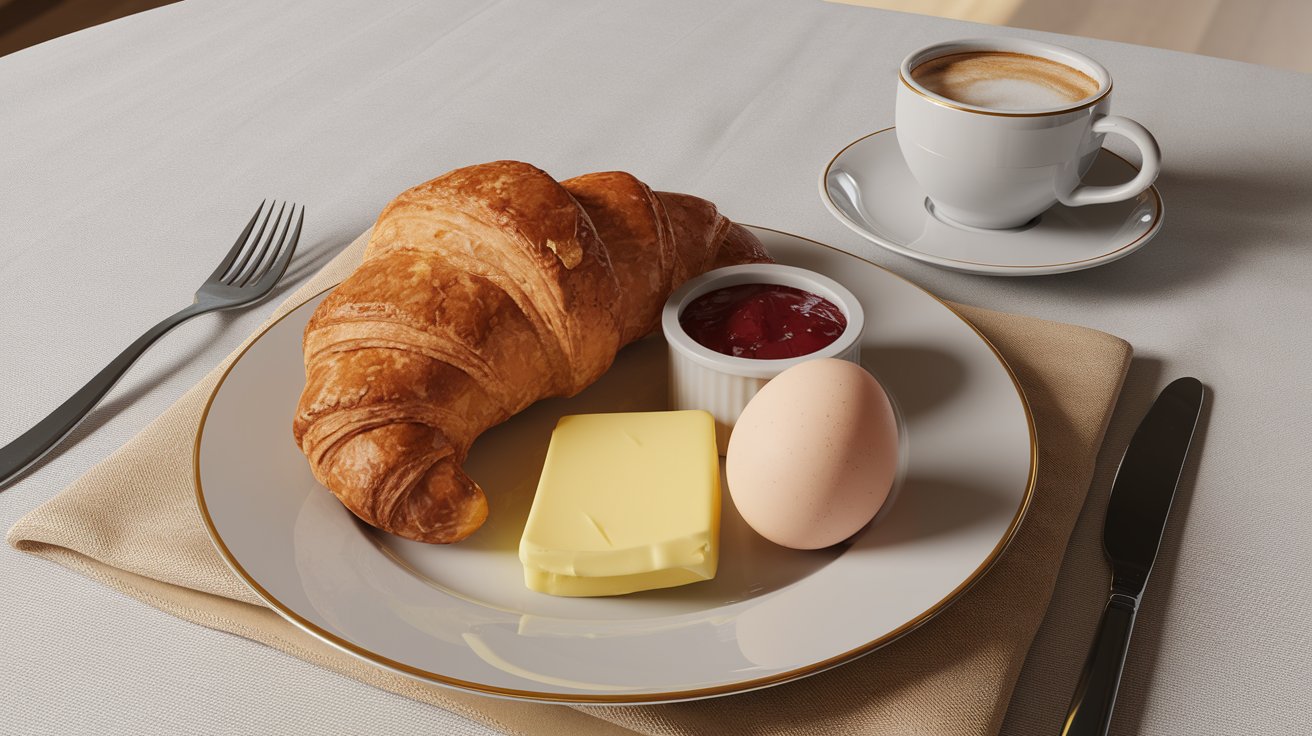
A continental breakfast is a light morning meal typically offered at hotels, consisting of pastries, bread, fruit, juice, and coffee. Unlike a full American breakfast with hot items, this European-inspired option focuses on simple, ready-to-eat foods that guests can quickly grab before starting their day. In 2026, approximately 78% of hotels across the United States offer some variation of continental breakfast as part of their guest amenities.
What Is Usually Included in a Continental Breakfast
A traditional continental breakfast includes a selection of baked goods, beverages, and light food items that require minimal preparation. The term originated in Britain during the mid-19th century to describe the lighter breakfast style served on the European continent, contrasting with the hearty full English breakfast. Today’s continental breakfast has evolved to meet diverse dietary preferences while maintaining its core simplicity.
The standard continental breakfast menu typically features croissants, muffins, bagels, Danish pastries, white and wheat bread, butter, jam, cream cheese, fresh fruit or fruit cups, cereal options with milk, yogurt, orange juice, apple juice, coffee, and tea. According to 2026 hospitality industry data, 64% of hotels have expanded their offerings to include at least one protein option like hard-boiled eggs or yogurt parfaits to accommodate health-conscious travelers.
Bread and Pastry Options
The bread and pastry selection forms the foundation of any continental breakfast. Hotels typically provide at least four varieties including croissants, muffins in multiple flavors, bagels with various spreads, and sliced bread for toasting. Premium establishments may offer artisan breads, gluten-free options, and seasonal pastries like pumpkin muffins in fall or lemon poppy seed loaves in spring. The average continental breakfast station allocates 40% of its display space to baked goods.
Beverage Station Components
The beverage station serves as the centerpiece of continental breakfast service, offering hot and cold drink options throughout morning hours. Standard setups include a commercial coffee maker with regular and decaffeinated options, hot water dispenser for tea with 6-8 tea varieties, at least two juice options typically orange and apple, and sometimes milk dispensers. In 2026, 52% of United States hotels have upgraded to single-serve coffee pod systems for improved quality and customization.
Fresh Fruit and Healthy Options
Modern continental breakfast offerings increasingly emphasize healthy choices to meet guest expectations. Fresh whole fruit like bananas, apples, and oranges are standard, while many hotels add pre-cut fruit cups, individual yogurt containers in various flavors, granola, and sometimes oatmeal packets. Health-conscious additions have become essential, with 71% of travelers in 2026 surveys indicating they prefer accommodations offering nutritious breakfast choices alongside traditional pastries.
Why Is It Called a Continental Breakfast
The term continental breakfast emerged in Britain during the 1850s to distinguish the lighter breakfast style popular across continental Europe from the traditional full English breakfast. British travelers visiting France, Italy, and other European countries noticed locals consumed simpler morning meals consisting primarily of bread, pastries, and coffee rather than the hearty plates of eggs, bacon, sausages, and beans common in Britain.
The etymology reflects cultural differences in dining habits between Britain and mainland Europe. Continental Europeans historically ate their main meal at midday, making a light breakfast practical and sufficient. When British hotels began accommodating international travelers, they adopted the term to describe this alternative breakfast style. The name stuck and spread to American hospitality during the early 20th century as transatlantic travel increased and hotels sought to differentiate service levels and pricing structures.
Continental Breakfast vs American Breakfast Differences
The primary difference between continental and American breakfast lies in temperature and substance. A continental breakfast features cold or room-temperature foods requiring no cooking, while an American breakfast includes hot prepared items like scrambled eggs, bacon, sausage, pancakes, waffles, and home fries. This distinction significantly impacts hotel operations, staffing requirements, and guest expectations.
From a cost and operational perspective, continental breakfasts require minimal staff and kitchen facilities, making them economical for hotels to offer complimentary. American breakfasts demand full kitchen operations, trained cooks, and continuous food preparation during service hours. In 2026, the average hotel spends $3.50-$5.00 per guest on continental breakfast versus $8.00-$12.00 for full American breakfast service. This cost difference explains why 82% of complimentary hotel breakfasts in the United States follow the continental model.
Nutritional and Caloric Differences
The nutritional profiles differ substantially between the two breakfast styles. A typical continental breakfast contains 300-500 calories with moderate protein and higher carbohydrates from baked goods. An American breakfast typically provides 600-900 calories with significantly more protein and fat from eggs and meat. For travelers monitoring caloric intake or following specific diets, continental breakfast offers easier portion control and clearer nutritional visibility since items are pre-portioned and individually packaged.
Service Style and Time Flexibility
A continental breakfast provides greater flexibility for guests with varying schedules. Since items don’t require cooking or temperature maintenance beyond basic coffee warmth, hotels can offer extended service hours typically from 6:00 AM to 10:00 AM without quality degradation. American breakfast service usually runs shorter windows, often 7:00 AM to 9:00 AM, because hot foods must be prepared fresh and maintained at proper temperatures for food safety. The grab-and-go nature of continental breakfast better accommodates business travelers with early meetings or families with different wake-up times.
What Is a Continental Breakfast Buffet
A continental breakfast buffet presents all menu items on a self-service table or counter where guests select their desired foods. This setup differentiates from plated service where staff prepare individual breakfast orders. The buffet format maximizes efficiency for hotels while giving guests control over portions and choices, making it the standard presentation method for continental breakfast in 94% of United States hotels as of 2026.
The typical buffet layout follows logical flow patterns to prevent congestion and maintain food safety standards. Stations progress from plates and utensils, to cold items like pastries and fruit, then beverages including coffee and juice, and finally condiments and napkins. Health department regulations in all 50 states require sneeze guards over food displays, individual serving utensils for each item, and temperature monitoring for any items requiring refrigeration. Modern buffets increasingly incorporate touchless dispensers and individually wrapped items following heightened hygiene awareness since 2020.
Continental Breakfast vs Complimentary Breakfast
The terms continental breakfast and complimentary breakfast are not synonymous, though often confused. Continental breakfast describes the menu style and food offerings, while complimentary breakfast refers to pricing and indicates the meal is included in the room rate at no additional charge. A hotel can offer a complimentary American breakfast, continental breakfast, or any other meal type as part of their guest amenities package.
Understanding this distinction matters when booking accommodations because amenity descriptions directly impact value assessment. A hotel advertising complimentary breakfast might serve anything from a basic coffee-and-muffin setup to an elaborate hot buffet. Savvy travelers in 2026 specifically look for detailed breakfast descriptions beyond just complimentary or free, with 68% of online hotel reviews mentioning breakfast quality as a deciding factor in repeat bookings according to recent hospitality surveys.
How Hotels Set Up Continental Breakfast Service
Proper continental breakfast setup requires strategic planning of space, equipment, and inventory to create positive guest experiences while maintaining food safety and operational efficiency. Hotels must consider traffic flow, maintaining appropriate food temperatures, regular restocking schedules, and cleaning protocols. The typical setup process begins 30-45 minutes before advertised service time to ensure fresh products and full displays when first guests arrive.
Essential equipment for continental breakfast includes commercial coffee makers with 1-2 gallon capacity, refrigerated display cases for dairy and pre-cut fruit, warmers for items like oatmeal if offered, juice dispensers, toaster stations with commercial-grade equipment, adequate counter or table space typically requiring 12-15 linear feet minimum, and proper lighting to showcase food attractively. Investment in quality equipment pays dividends through reduced maintenance costs and improved guest satisfaction scores.
Inventory Management and Restocking
Effective inventory management prevents waste while ensuring adequate supply throughout service hours. Hotels calculate daily quantities based on occupancy rates, historical consumption patterns, and day-of-week variations. Weekend breakfast attendance typically runs 15-20% higher than weekdays due to leisure travelers. Smart operations order pastries daily from local bakeries to ensure freshness, maintain 2-3 day supplies of packaged items like cereal and juice, and monitor consumption hourly during peak times to restock high-demand items before depletion.
Food Safety and Hygiene Standards
Maintaining food safety compliance is paramount in continental breakfast operations. United States health codes require specific protocols including keeping cold items below 41°F and hot items above 135°F, replacing sneeze guards and serving utensils regularly, discarding items left unrefrigerated beyond two hours, proper handwashing stations for staff, and daily deep cleaning of all surfaces and equipment. In 2026, hotels face fines ranging from $500-$5,000 for health code violations, making rigorous compliance both a safety necessity and financial imperative.
Continental Breakfast Menu Planning Strategies
Strategic menu planning maximizes guest satisfaction while controlling costs and minimizing waste. Successful hotels balance variety with simplicity, offering enough choices to accommodate different preferences without overwhelming operations. The ideal continental breakfast provides 8-12 distinct items including three pastry varieties, two bread options, two fruits, two juices, cereal, yogurt, and hot beverages. This range satisfies 89% of guests according to 2026 hospitality research.
Seasonal menu adjustments keep offerings fresh and take advantage of ingredient availability and pricing. Summer menus might emphasize fresh berries and lighter pastries, while winter selections could include heartier muffins and warm oatmeal options. Regional preferences also influence planning, with Southern United States hotels often including biscuits, while Northeastern properties might feature bagels more prominently. Tracking consumption patterns through simple daily counts helps identify popular items deserving permanent menu placement versus occasional rotation items.
Types of Continental Breakfast Offerings
Continental breakfast quality and scope vary considerably across accommodation types and price points. Budget properties typically provide basic selections of 4-6 items focused on shelf-stable products like packaged muffins, cereal, and simple fruits. Mid-range hotels expand offerings to 8-10 items including fresh pastries, multiple juice options, and yogurt. Upscale establishments present enhanced continental breakfast with 12-15 premium items such as artisan breads, imported jams, smoked salmon, assorted cheeses, and specialty coffee drinks.
The hot continental breakfast represents a hybrid category emerging in recent years where hotels add limited hot items like oatmeal, hard-boiled eggs, or breakfast sandwiches to traditional continental offerings without transitioning to full American breakfast service. This middle-ground approach appeals to guests wanting more substance than pastries alone while keeping operational complexity manageable. Approximately 34% of hotels in the United States now offer this enhanced continental style, up from 19% in 2020, reflecting evolving guest expectations for complimentary breakfast quality.
Continental Breakfast Cost Analysis for Hotels
The economic advantages of continental breakfast make it the preferred complimentary option for most hotel segments. Per-guest costs typically range from $3.50 at economy properties to $7.00 at upscale hotels, compared to $8.00-$15.00 for full breakfast service. Lower costs stem from reduced labor requirements needing only 1-2 attendants versus 3-5 for cooked breakfast, minimal cooking equipment eliminating expensive kitchen installations, longer shelf life of continental items reducing waste, and simpler food safety protocols requiring less staff training.
Hotels justify continental breakfast investment through multiple revenue benefits beyond the direct food cost. Properties offering complimentary breakfast command 12-18% higher room rates according to 2026 industry data, experience 23% higher occupancy rates particularly among business travelers, achieve better online review scores with breakfast quality frequently mentioned in positive feedback, and reduce guest complaints about additional charges. The return on investment typically exceeds 300% when calculating the room rate premium against actual breakfast costs, making it one of the most profitable amenities hotels can provide.
Related video about what is a continental breakfast
This video complements the article information with a practical visual demonstration.
What you should know
What is usually included in a continental breakfast?
A continental breakfast typically includes pastries like croissants and muffins, sliced bread or bagels with spreads, fresh whole fruit or fruit cups, cold cereal with milk, yogurt, juice options including orange and apple, and hot beverages like coffee and tea. Modern versions often add hard-boiled eggs or oatmeal. The focus remains on ready-to-eat items requiring no cooking, distinguishing it from hot breakfast service.
Why do hotels call it a continental breakfast?
Hotels use the term continental breakfast because it originated in 19th century Britain to describe the lighter breakfast style served across continental Europe. British travelers noticed Europeans ate simple morning meals of bread, pastries, and coffee rather than the hearty full English breakfast. The name distinguished this European-style service from traditional British breakfast, and American hotels adopted the terminology as transatlantic travel increased in the early 1900s.
What is the difference between a continental breakfast and an American breakfast?
The main difference is temperature and preparation. Continental breakfast features cold or room-temperature items like pastries, fruit, cereal, and coffee requiring no cooking. American breakfast includes hot prepared foods like scrambled eggs, bacon, sausage, pancakes, and home fries. Continental breakfast costs hotels $3.50-$5.00 per guest versus $8.00-$12.00 for American breakfast, explaining why 82% of complimentary hotel breakfasts follow the continental model in 2026.
What are the three types of breakfast?
The three main breakfast types are continental breakfast featuring light items like pastries, fruit, and coffee; American or full breakfast including hot prepared items like eggs, meat, and pancakes; and English breakfast comprising eggs, bacon, sausage, beans, tomatoes, and toast. Some hospitality classifications add buffet breakfast as a service style rather than menu type. Continental remains most common in United States hotels due to lower operational costs and flexibility.
What is a hot continental breakfast?
A hot continental breakfast combines traditional continental items like pastries and fruit with limited hot additions such as oatmeal, hard-boiled eggs, breakfast sandwiches, or warmed cinnamon rolls. This hybrid style emerged as hotels sought to enhance continental offerings without full kitchen operations required for American breakfast. Approximately 34% of United States hotels offered this enhanced continental format in 2026, up from 19% in 2020, reflecting guest demand for more substantial complimentary breakfast options.
Can you take food from a continental breakfast to your room?
Most hotels allow guests to take reasonable portions of continental breakfast items to their rooms, particularly wrapped pastries, whole fruit, and packaged items. However, policies vary by property, and guests should avoid excessive taking that impacts other guests. Some hotels explicitly encourage grab-and-go options for travelers with early departures. Items requiring plates or temperature control like cereals and hot beverages should be consumed in the breakfast area. Always check specific hotel policies if uncertain.
| Breakfast Aspect | Continental Breakfast | American Breakfast |
|---|---|---|
| Typical Items | Pastries, bread, fruit, cereal, yogurt, juice, coffee | Eggs, bacon, sausage, pancakes, waffles, home fries |
| Preparation | No cooking required, ready-to-eat items | Hot prepared foods, full kitchen operations |
| Cost Per Guest | $3.50-$7.00 average in 2026 | $8.00-$15.00 average in 2026 |
| Service Hours | Extended 6:00 AM-10:00 AM typical | Limited 7:00 AM-9:00 AM typical |
| Calorie Range | 300-500 calories typical serving | 600-900 calories typical serving |
| Staff Required | 1-2 attendants for setup and restocking | 3-5 staff including cooks and servers |
| Guest Flexibility | Grab-and-go option, self-paced | Seated service, specific timing required |